Table of Contents
- Introduction
- Best Time to Visit
- Top Cities and Places to Visit
- Tourist Circuits and Suggested Routes
- Best Activities and Local Experiences
- Culture, Food, and Shopping
- How to Reach Darjeeling and East Sikkim
- Where to Stay and Estimated Costs
- Suggested Itineraries
- Budget Tips
- Travel Tips for Families, Honeymooners, and Friends
- FAQs
- Conclusion
Introduction
Darjeeling and East Sikkim together make one of the most rewarding Himalayan travel combinations in India. On one side, Darjeeling offers tea gardens, colonial charm, toy train nostalgia, and sunrise views over Kanchenjunga. On the other, East Sikkim brings dramatic mountain roads, high-altitude lakes, monastery visits, and borderland landscapes that feel remote and unforgettable.
This route suits many kinds of travelers. Families enjoy the scenic drives and easy sightseeing, honeymooners love the misty viewpoints and peaceful stays, and groups of friends often prefer the adventure of winding mountain roads, local food, and photo stops at every turn. The journey is as memorable as the destinations themselves.
Best Time to Visit
The best time to visit Darjeeling and East Sikkim depends on the experience you want.
- March to May: Pleasant spring weather, clear skies, and blooming rhododendrons.
- October to December: Crisp mountain air, excellent visibility, and the best chance for mountain views.
- January to February: Cold weather and occasional snow in higher areas of East Sikkim, but road conditions can be challenging.
- June to September: Monsoon season, when landslides and road delays are more likely. Travel is possible, but flexibility is essential.
For a smooth first-time trip, spring and post-monsoon months are the most reliable.
Top Cities and Places to Visit
Darjeeling
Darjeeling remains the classic Himalayan hill destination, known for tea estates, old-world charm, and mountain viewpoints.
- Tiger Hill: Famous for sunrise views of Kanchenjunga and, on clear days, Mount Everest.
- Batasia Loop: A scenic railway loop with landscaped gardens and panoramic hill views.
- Darjeeling Himalayan Railway: The beloved toy train experience and a UNESCO World Heritage attraction.
- Tea Gardens: Walk through lush plantations and learn how world-famous Darjeeling tea is grown.
- Peace Pagoda: A quiet spiritual stop with sweeping views of the town.
- Chowrasta and Mall Road: Ideal for relaxed walks, shopping, and evening food stops.
Gangtok
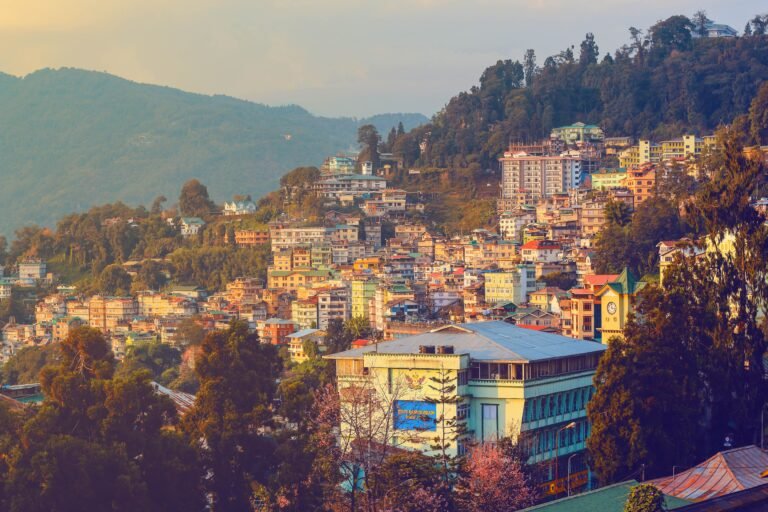
Gangtok is the gateway to East Sikkim and one of the most organized hill capitals in the Northeast. It blends modern convenience with strong local culture.
- MG Marg: A clean, pedestrian-friendly promenade for shopping and dining.
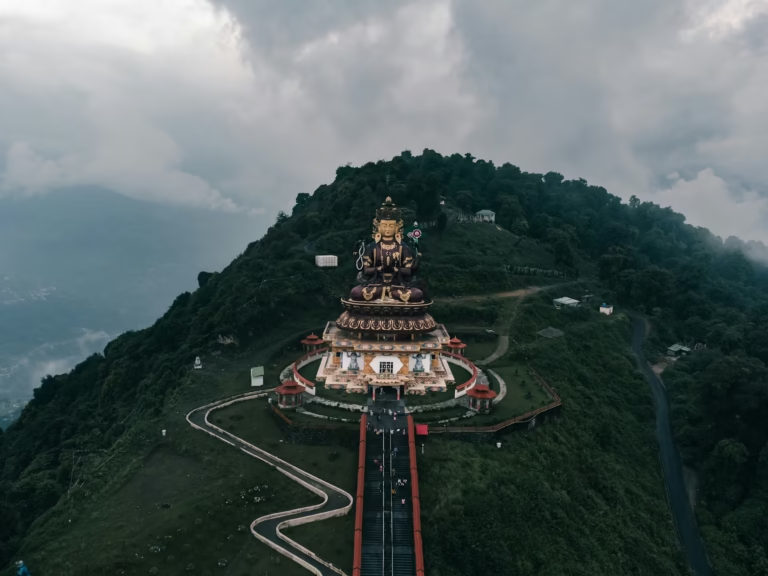
- Rumtek Monastery: One of the most important monasteries near Gangtok.
- Namgyal Institute of Tibetology: Ideal for understanding Tibetan-Buddhist culture in the region.
- Enchey Monastery: A peaceful hillside monastery close to town.
Tsomgo Lake and Baba Harbhajan Singh Mandir
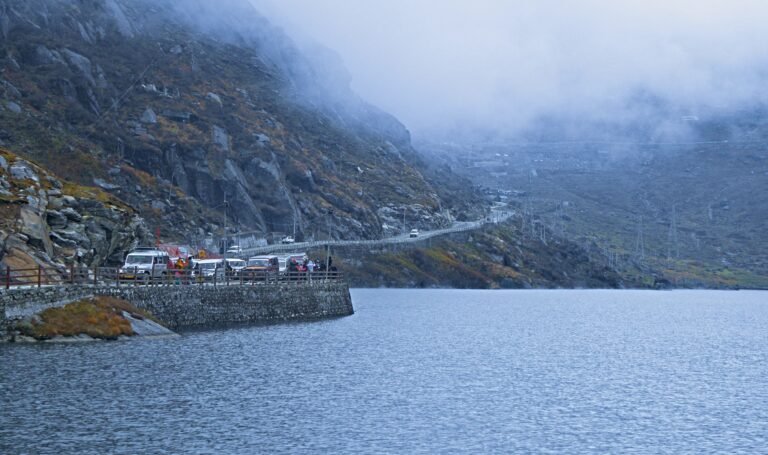
These are among the most visited East Sikkim attractions. Tsomgo Lake is a high-altitude glacial lake with stunning seasonal colors, while Baba Mandir is a unique shrine tied to local military folklore and devotion.
Nathula Pass
Nathula is one of the most dramatic high-altitude passes in the region. It is a border area with restricted access, so permits and weather conditions matter. When open, it offers a rare chance to experience the raw mountain frontier.
Zuluk, Kupup, and Gnathang Valley
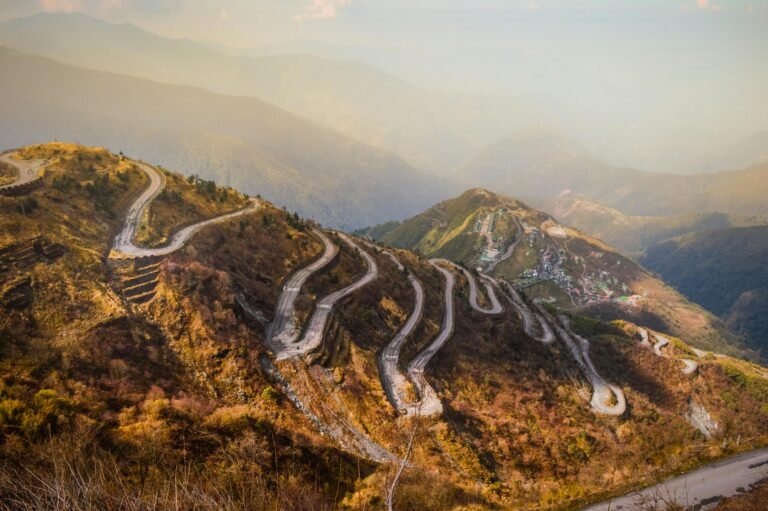
For travelers looking beyond the usual tourist stops, the Old Silk Route in East Sikkim is a memorable extension. The hairpin bends of Zuluk, the high-altitude silence of Gnathang, and the wide views near Kupup create a completely different Himalayan experience.
Nearby Getaways
Depending on your route and trip length, you can also consider these nearby additions:
- Kalimpong: A relaxed hill town often paired with Darjeeling.
- Lava and Lolegaon: Good for forest stays, though they are better suited as separate extensions.
- Namchi: Usually part of South Sikkim routes, but possible in longer itineraries.
Tourist Circuits and Suggested Routes
Classic Darjeeling + Gangtok Circuit
This is the most popular route for first-time visitors.
- Day 1–2: Arrive in Bagdogra or NJP, transfer to Darjeeling, and explore the town.
- Day 3: Darjeeling sightseeing and tea garden visit.
- Day 4: Transfer to Gangtok with scenic road stops.
- Day 5: Local sightseeing in Gangtok.
East Sikkim Mountain Circuit
This circuit is for travelers who want high-altitude landscapes and a more adventurous road journey.
- Gangtok: Base for permits and acclimatization.
- Tsomgo Lake and Baba Mandir: Short excursion from Gangtok.
- Nathula Pass: Best included if permits and weather allow.
- Zuluk and Gnathang Valley: Add these for a longer and more scenic route.
Short Family-Friendly Circuit
If you are traveling with children or senior citizens, keep the itinerary lighter:
- Darjeeling town sightseeing
- Gangtok MG Marg and nearby monasteries
- Tsomgo Lake only if weather and road conditions are favorable
Best Activities and Local Experiences
- Watch sunrise at Tiger Hill: One of the most iconic experiences in the Eastern Himalayas.
- Ride the toy train: A slow and scenic journey through curves, loops, and hillside views.
- Visit tea estates: Learn how tea is plucked, processed, and tasted.
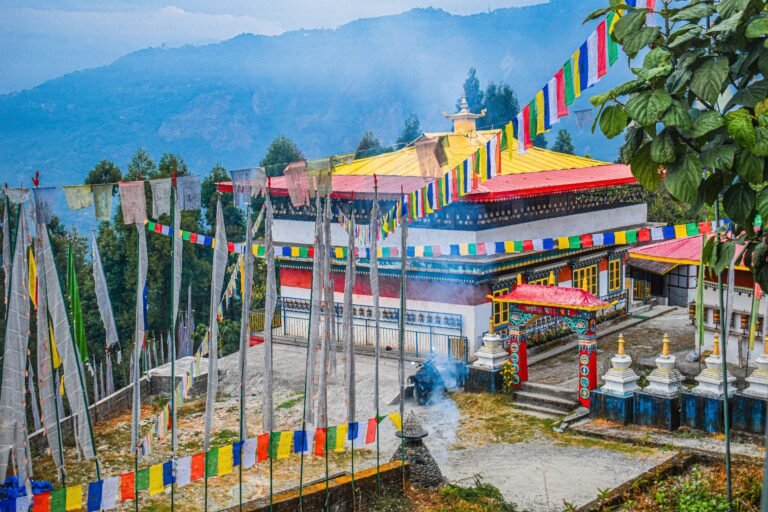
- Explore monasteries: Experience prayer wheels, butter lamps, murals, and quiet mountain spirituality.
- Drive through high-altitude roads: East Sikkim’s winding roads are a highlight in themselves.
- Try local cafes and viewpoints: Gangtok and Darjeeling both have cozy eateries with mountain views.
One of the most special parts of this trip is the atmosphere: mist in the morning, prayer flags on the ridges, tea in the evening, and long drives through valleys that constantly change shape and color.
Culture, Food, and Shopping
Local Culture
Darjeeling and East Sikkim are culturally rich and deeply influenced by Nepali, Tibetan, Lepcha, Bhutia, and Bengali traditions. Monasteries, mountain festivals, traditional dress, and local hospitality all shape the experience.
What to Eat
- Momos: Steamed or fried, and available almost everywhere.
- Thukpa: A warm noodle soup that is perfect for cool weather.
- Sha phaley: A Tibetan-style stuffed bread, often deep-fried.
- Churpee: A local hard cheese, especially common in the hills.
- Darjeeling tea: Freshly brewed tea is a must, especially from local estates or good cafes.
What to Buy
- Packaged Darjeeling tea
- Handmade woolens and shawls
- Prayer flags and souvenir items
- Local pickles and mountain snacks
- Handicrafts from Gangtok markets
Festivals
- Losar: Tibetan New Year celebrations with prayers and cultural events.
- Dasain and Tihar: Important festivals in the Nepali-speaking communities.
- Saga Dawa: Observed in Buddhist communities with spiritual significance.
- Tea and local harvest-related events: These may vary by season and venue.
How to Reach Darjeeling and East Sikkim
The most common entry point for both Darjeeling and East Sikkim is Bagdogra Airport or New Jalpaiguri (NJP) railway station.
By Air
- Nearest airport: Bagdogra Airport
- From Bagdogra: Road transfers are available to Darjeeling and Gangtok.
By Train
- Nearest major railhead: New Jalpaiguri (NJP)
- From NJP: Shared cars, private taxis, and tour vehicles connect to hill destinations.
By Road
- To Darjeeling: Travel from NJP or Bagdogra via Siliguri and the mountain road to the hill town.
- To Gangtok and East Sikkim: Road travel is the standard option, with permits arranged for certain border areas.
Important Travel Note
For destinations like Nathula Pass and some high-altitude East Sikkim areas, permits are required. These can depend on nationality, weather, road conditions, and local regulations. Always check current access rules before planning the final route.
Where to Stay and Estimated Costs
Accommodation options are available for every travel style, from budget guesthouses to premium mountain-view hotels.
Accommodation Options
- Budget stays: Guesthouses, homestays, and basic hotels in Darjeeling, Gangtok, and around transit points.
- Mid-range hotels: Comfortable rooms with better views, heating, and meal options.
- Luxury stays: Boutique properties and premium hotels with valley views and upgraded services.
Estimated Daily Costs per Person
| Travel Style | Approximate Cost | Includes |
|---|---|---|
| Budget | ₹2,000–₹3,500 | Basic stay, shared transport, simple meals |
| Mid-range | ₹4,500–₹8,000 | Comfortable hotel, private transfers, decent dining |
| Premium | ₹9,000 and above | High-end stay, private vehicle, curated experiences |
Transport Costs
- Shared transfers: Usually the most economical choice for hill travel.
- Private taxi: Better for families, older travelers, or flexible sightseeing plans.
- Permits and special-zone travel: May add extra administrative and vehicle charges.
Suggested Itineraries
4-Day Itinerary
- Day 1: Arrive at NJP/Bagdogra and transfer to Darjeeling.
- Day 2: Darjeeling sunrise, tea estate visit, and town sightseeing.
- Day 3: Transfer to Gangtok and explore MG Marg in the evening.
- Day 4: Local sightseeing in Gangtok and departure.
6-Day Itinerary
- Day 1–2: Darjeeling sightseeing and toy train experience.
- Day 3: Transfer to Gangtok.
- Day 4: Gangtok local sightseeing.
- Day 5: Tsomgo Lake and Baba Mandir, subject to permit and weather conditions.
- Day 6: Departure or optional East Sikkim extension.
8-Day Itinerary for a Deeper East Sikkim Experience
- Day 1–2: Darjeeling.
- Day 3–4: Gangtok.
- Day 5: Tsomgo Lake, Baba Mandir, and return to Gangtok.
- Day 6–7: East Sikkim circuit via Zuluk/Kupup/Gnathang, if permits and road conditions allow.
- Day 8: Return and departure.
Budget Tips
- Travel in shoulder season: March, April, October, and November often offer a good mix of weather and value.
- Book transport early: Hill routes can get busy during holidays and long weekends.
- Choose homestays: They often provide good food, local insights, and better value.
- Keep one buffer day: This helps if mountain weather delays sightseeing.
- Avoid overpacking excursions: Too many long drives in one trip can increase costs and reduce comfort.
Travel Tips for Families, Honeymooners, and Friends
For Families
- Choose hotels with heating and easy access.
- Keep sightseeing limited to one or two major stops per day.
- Carry medicines for motion sickness if needed.
- Plan extra time for roads, especially with children or senior travelers.
For Honeymooners
- Pick a stay with a mountain view and quiet surroundings.
- Include sunrise, tea garden walks, and relaxed cafe time.
- Travel between Darjeeling and Gangtok with enough rest in between.
- Even in cold months, pack warm layers for comfortable evening outings.
For Friends
- Choose a mix of classic sightseeing and road-trip style stops.
- Try local food and evening markets together.
- Take group photos at viewpoints, lakes, and monasteries.
- Keep flexible timing for road delays and spontaneous photo stops.
Packing and Safety Guidance
- Pack warm layers, gloves, a cap, sunscreen, and lip balm.
- Carry cash, as card acceptance can be limited in some areas.
- Keep IDs handy for permits and hotel check-ins.
- Drink water regularly to avoid dehydration at higher altitudes.
- Follow local road advisories and avoid rushing on mountain roads.
FAQs
Q: What is the ideal number of days for Darjeeling and East Sikkim?
A: A 5- to 7-day trip is ideal if you want to cover Darjeeling, Gangtok, and one or two East Sikkim highlights comfortably.
Q: Do I need a permit for East Sikkim sightseeing?
A: Yes, permits are required for certain areas such as Nathula Pass and some border-region excursions. Rules may vary, so check current regulations before traveling.
Q: Is this route suitable for family travel?
A: Yes, it is suitable for families, especially if you keep the itinerary moderate and choose comfortable transfers and accommodations.
Q: What food should I try in Darjeeling and East Sikkim?
A: Momos, thukpa, sha phaley, churpee, and fresh Darjeeling tea are among the best local choices.
Q: When are mountain views the clearest?
A: The clearest views are often found from October to December, with spring also offering good visibility on many days.
Conclusion
Darjeeling and East Sikkim together offer a travel experience that blends classic hill-town charm with high-altitude adventure. From sunrise at Tiger Hill to the dramatic roads of East Sikkim, the journey brings together tea estates, monasteries, local food, scenic drives, and unforgettable Himalayan views. With the right season, a sensible itinerary, and enough time for the road, this region rewards every kind of traveler with a rich and memorable mountain escape.