Table of Contents
- Introduction
- History and Importance
- Best Time to Visit
- Top Things to Do
- Nearby Attractions
- How to Reach
- Accommodation Options
- Estimated Costs
- Local Experiences: Food, Shopping, and Culture
- Travel Tips for Different Travelers
- FAQs
- Conclusion
Introduction
Birdwatching in Darjeeling and nearby areas is one of the most rewarding Himalayan travel experiences. The region combines cool mountain air, forested ridges, tea gardens, and protected habitats that attract a remarkable variety of birds throughout the year. From quiet dawn walks in the hills to full-day forest excursions, every outing feels like a blend of adventure, patience, and discovery.
What makes this destination special is its variety. In a single trip, you can move from Darjeeling town’s scenic viewpoints to subtropical forests, tea estate edges, and high-altitude habitats where Himalayan species thrive. Whether you are a beginner with binoculars or an experienced birder with a checklist, the Darjeeling belt offers memorable sightings and beautiful landscapes at the same time.
History and Importance
Darjeeling has long been admired for its Himalayan setting, tea heritage, and rich biodiversity. Over time, it has also earned a strong reputation among birding enthusiasts because the region sits at the meeting point of different ecological zones. This creates excellent conditions for spotting both resident and migratory birds.
The importance of birdwatching here goes beyond recreation. It supports eco-tourism, encourages forest conservation, and helps local communities benefit from responsible travel. Many birding routes pass through areas linked to protected forests, tea gardens, and traditional villages, making each journey a chance to observe wildlife while supporting sustainable tourism.
- Ecological value: The elevation changes create diverse bird habitats.
- Conservation value: Responsible birding supports forest awareness and protection.
- Cultural value: Birding often connects visitors with local guides, homestays, and village life.
- Travel value: It pairs easily with tea tourism, trekking, and scenic sightseeing.
Best Time to Visit
The best time for birdwatching in Darjeeling and nearby areas depends on weather, visibility, and bird movement. In general, spring and autumn are the most comfortable and productive seasons.
Ideal seasons
- March to May: Clear mornings, active birdlife, flowering forests, and good overall visibility.
- September to November: Pleasant temperatures after the monsoon, excellent for forest trails and high viewpoints.
- December to February: Good for certain winter species, but mornings can be cold and foggy.
- June to August: Lush and green, but heavy rain, leeches, and slippery trails can make birding difficult.
Best time of day
- Early morning: The most productive time, especially around sunrise.
- Late afternoon: Good for relaxed walks and some active feeding behavior.
If your goal is bird photography or a wider species count, plan your outings around dawn and choose at least one full-day forest trip in addition to town-based birding.
Top Things to Do
1. Explore the best birdwatching spots
Darjeeling and its surrounding belt offer a wide range of birding sites. Some are easy day trips, while others are best visited with local guides.
- Senchal Wildlife Sanctuary: One of the best-known birding zones near Darjeeling, with forest trails and rich Himalayan birdlife.
- Singalila National Park: Famous for high-altitude birding and trekking, especially for species found in the eastern Himalayas.
- Lamahatta: A scenic forest destination with peaceful trails and good bird activity.
- Tinchuley and Takdah: Tea-garden landscapes with forest patches and village trails.
- Latpanchar: A popular birding area in the wider Darjeeling foothill region, known for excellent forest sightings.
- Kalimpong and surrounding forests: Useful for mixed birding and scenic day excursions.
- Lepchajagat and Kurseong belt: Quiet, wooded areas with good chances of spotting forest birds.
2. Join a guided birding walk
A local guide can make a huge difference. They know bird calls, seasonal movement, and the best viewing points. This is especially helpful in forested areas where birds are active but not always easy to spot.
3. Combine birdwatching with tea garden visits
Darjeeling’s tea estates create some of the region’s most scenic walking routes. Early morning walks near tea gardens can be excellent for spotting bulbuls, thrushes, warblers, and other small forest birds.
4. Try bird photography
The soft Himalayan light in the morning is ideal for photography. Use a zoom lens if possible, keep movement slow, and avoid sudden sound or flash. Patience often produces the best frames.
5. Observe habitats, not just species
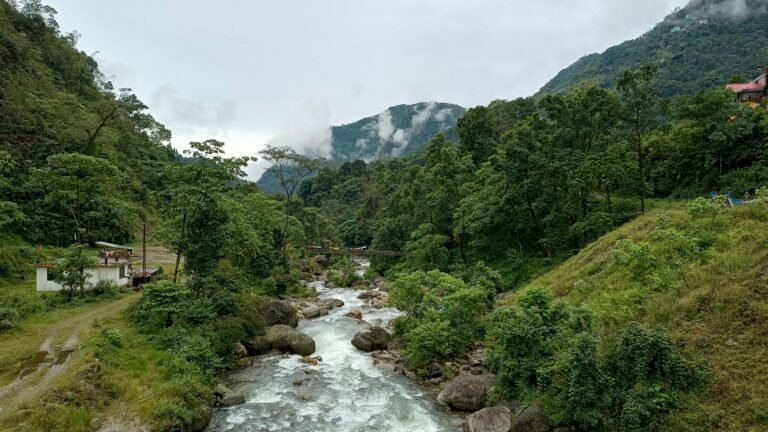
One of the joys of birding here is noticing how quickly the landscape changes. In a short drive, you may move from misty town ridges to open tea slopes and dense forest, each with a different bird community.
Common birds you may see
- Laughingthrushes
- Sunbirds
- Thrushes
- Warblers
- Minivets
- Bullfinches
- Barbets
- Himalayan woodpeckers
- Raptors and other forest birds, depending on elevation and season
Nearby Attractions
Birdwatching in Darjeeling becomes even richer when combined with nearby natural and cultural attractions. Many of these places are scenic in their own right and also offer short trails or forest edges that can be good for birding.
- Tiger Hill: Famous for sunrise views and an excellent start to an early birding day.
- Batasia Loop: A scenic stop that fits easily into a half-day Darjeeling itinerary.
- Himalayan Mountaineering Institute and Padmaja Naidu Himalayan Zoological Park: Useful for understanding the region’s ecology and wildlife heritage.
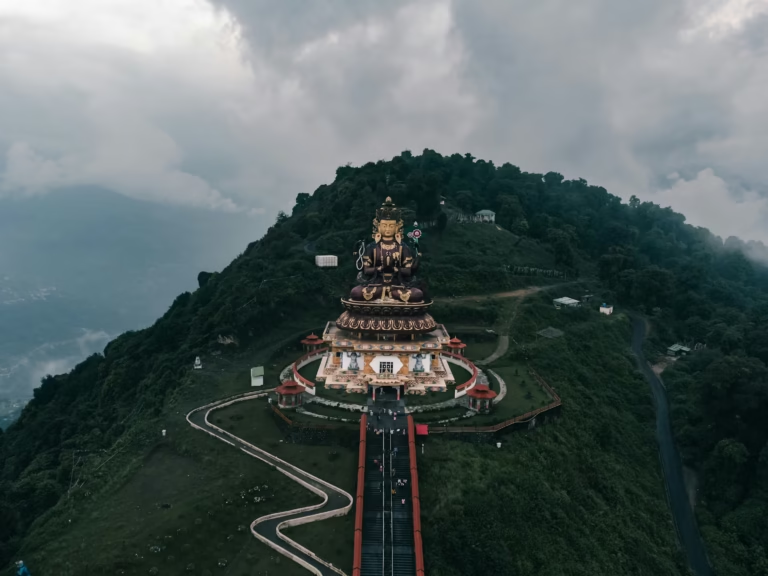
- Peace Pagoda: A calm viewpoint that pairs well with light sightseeing.
- Kalimpong: A relaxed hill town with nearby nature trails and birding possibilities.
- Lava and Loleygaon: Great for forest walks, mountain views, and slower-paced nature travel.
- Neora Valley National Park: A major biodiversity zone for travelers who want deeper forest experiences.
- Mahananda Wildlife Sanctuary: A useful foothill option for birds at lower elevations.
How to Reach
Darjeeling is well connected to the rest of India through air, rail, and road via the Siliguri corridor.
By air
- Nearest airport: Bagdogra Airport
- From the airport: Hire a taxi or shared vehicle to Darjeeling, usually via Siliguri.
By train
- Nearest major railway station: New Jalpaiguri (NJP)
- Other access points: Siliguri Junction and nearby regional rail connections
- From the station: Road transfer is the most practical option for reaching the hills.
By road
- Darjeeling can be reached by taxi, shared jeep, or private vehicle from Siliguri, Bagdogra, or NJP.
- Road journeys involve mountain curves, so allow extra travel time, especially in fog or rain.
Travel note: For nearby birding areas such as Senchal, Kurseong, Latpanchar, Kalimpong, or Lava, local taxis and pre-arranged transfers are often the easiest choice.
Accommodation Options
Staying close to your birding area makes early starts much easier. Darjeeling offers a wide range of stays, from simple homestays to scenic boutique properties.
Where to stay
- Darjeeling town: Best for first-time visitors who want easy access to sightseeing and transport.
- Kurseong or Tindharia belt: Useful for quieter stays with tea garden surroundings.
- Lava and Loleygaon: Good for nature-focused travelers and slower itineraries.
- Latpanchar and nearby villages: Ideal for dedicated birding trips and homestay experiences.
- Kalimpong: A comfortable base if your itinerary includes multiple nearby nature stops.
Types of accommodation
- Budget guesthouses and homestays: Simple, clean, and often family-run.
- Mid-range hotels: Good for comfort, central access, and scenic views.
- Boutique stays and tea estate lodges: Best for a relaxed atmosphere and beautiful surroundings.
- Eco-lodges: Useful for travelers who want a nature-first experience.
Estimated Costs
Costs vary by season, route, and the number of birding days. The ranges below are useful for planning a typical trip.
- Budget stay: ₹1,500–₹3,000 per night
- Mid-range stay: ₹3,500–₹7,000 per night
- Tea estate or boutique stay: ₹7,500 and above per night
- Local birding guide: ₹1,500–₹4,000 per day, depending on the route and duration
- Local transport/taxi: Varies by route, but half-day and full-day hires are common for birding circuits
- Meals: ₹300–₹1,000 per person per day, depending on the restaurant or homestay
- Park or entry fees: May apply in certain protected areas; rates can change seasonally
A comfortable birding trip usually becomes more economical when you stay in one area for at least two nights and avoid changing bases too often.
Local Experiences: Food, Shopping, and Culture
Food to try
Darjeeling’s food scene is warm, simple, and perfect after an early birding morning. You will find a mix of Nepali, Tibetan, and local Himalayan flavors.
- Momos: Steamed dumplings that are a traveler favorite.
- Thukpa: A hearty noodle soup, ideal in cool weather.
- Sel roti: A traditional ring-shaped bread, often enjoyed with tea.
- Aloo dum and local curries: Common and satisfying hill-style meals.
- Darjeeling tea: A must-try, best enjoyed fresh and hot.
Shopping ideas
- Darjeeling tea packets and tea blends
- Woollens, scarves, and winter accessories
- Handmade souvenirs and local handicrafts
- Postcards, notebooks, and birding-themed keepsakes
Cultural experiences
The region’s cultural character is shaped by Nepali, Lepcha, Tibetan, and other Himalayan influences. You may hear monastery bells in the morning, see prayer flags on ridgelines, and encounter friendly village communities on your way to forest trails. Festivals such as Losar, Tihar, and Dasain add color and movement to the local calendar.
Travel Tips for Different Travelers
General tips
- Start early, as birds are most active at dawn.
- Carry binoculars, a camera if needed, and a field guide or birding app.
- Wear layers; mountain weather can change quickly.
- Pack rain protection, especially outside the dry season.
- Keep noise low and avoid flash photography in forests.
For families
- Choose easy birding locations near town or gentle forest trails.
- Keep walks short and plan regular breaks.
- Carry snacks, water, and warm clothes for children.
- Mix birdwatching with scenic stops so younger travelers stay engaged.
For honeymooners
- Pick a tea estate stay or boutique hillside property for privacy and views.
- Plan a sunrise birding outing followed by a relaxed tea experience.
- Choose quieter destinations like Tinchuley, Takdah, Lava, or Kalimpong for a slower pace.
For friends
- Combine birdwatching with short treks, local cafes, and viewpoint stops.
- Share the cost of a guide and vehicle for better value.
- Plan one intensive birding day and one relaxed sightseeing day.
Budget tips
- Travel in a small group to reduce transport costs.
- Stay in homestays near birding areas instead of changing hotels often.
- Eat local meals for both value and authentic flavor.
- Book longer stays in advance during peak seasons.
FAQs
Q: What is the best time for birdwatching in Darjeeling and nearby areas?
A: March to May and September to November are usually the best periods because the weather is clearer, the trails are more comfortable, and bird activity is strong.
Q: Do I need a guide for birdwatching in Darjeeling?
A: A guide is highly recommended, especially for forested areas and full-day birding routes. A local guide can help identify calls, habitats, and seasonal hotspots.
Q: Is birdwatching suitable for beginners and families?
A: Yes. Darjeeling offers easy-access birding options, especially around tea gardens, viewpoints, and gentle forest edges. Families can keep the experience short and scenic.
Q: How many days are enough for a birdwatching trip?
A: A 2 to 4-day trip is a good starting point. This gives you time for town-based birding, one or two forest excursions, and a few nearby attractions.
Q: What should I pack for birdwatching in this region?
A: Pack binoculars, layered clothing, a light rain jacket, comfortable walking shoes, a water bottle, sunscreen, insect protection, and a camera if you want to photograph birds.
Conclusion
Birdwatching in Darjeeling and nearby areas is more than a hobby; it is a slow, immersive way to experience the eastern Himalayas. With its layered forests, tea gardens, mountain viewpoints, and nearby biodiversity-rich zones, the region offers excellent birding opportunities for beginners and serious observers alike. Add in local food, warm homestays, and scenic hill routes, and you have a destination that feels rewarding in every season, especially when planned around early mornings and unhurried travel.