Table of Contents
- Introduction
- History and Importance
- Best Time to Visit
- Top Things to Do
- Nearby Attractions
- How to Reach
- Accommodation Options
- Estimated Costs
- Local Experiences: Food, Shopping, and Culture
- Tips for Families, Honeymooners, and Friends
- FAQs
- Conclusion
Introduction
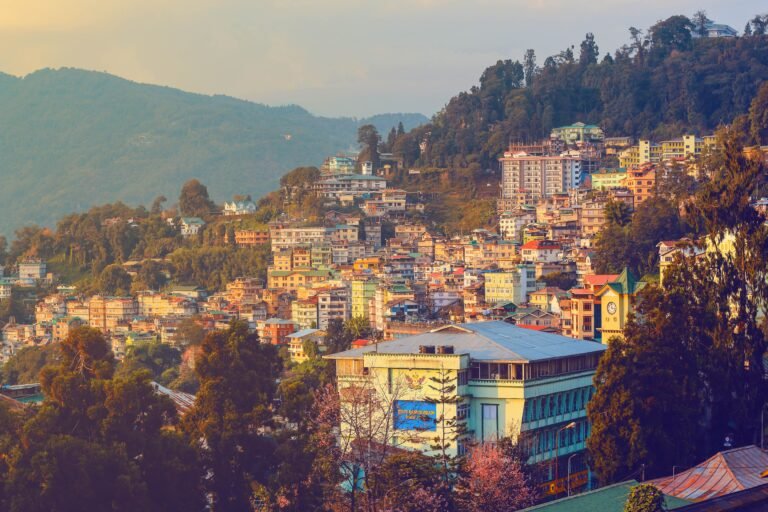
Perched above the heart of Darjeeling, Observatory Hill is one of those rare places where history, faith, and mountain scenery meet in a single frame. The hill is best known for the sacred Mahakal Temple, the layered spiritual traditions associated with the site, and the wide-open views of the surrounding Himalayas. On a clear day, it feels like Darjeeling slows down here, letting you pause, breathe, and take in the town’s charm from above.
For travelers, Observatory Hill is not just a viewpoint. It is a cultural landmark, a quiet walking spot, and a meaningful stop for anyone exploring Darjeeling’s oldest and most atmospheric corners.
History and Importance
Observatory Hill holds a special place in Darjeeling’s identity. It is believed to be one of the oldest and most sacred points in the region, long respected by the local Lepcha community. Over time, it became associated with both Buddhist and Hindu worship, giving the hill a unique spiritual character.
The Mahakal Temple, located on the hill, is dedicated to Lord Shiva and is visited by devotees throughout the year. At the same time, the site reflects the coexistence of local beliefs and religious traditions that are deeply woven into Darjeeling’s history. This blend of heritage makes Observatory Hill far more than a scenic stop; it is a window into the town’s layered past.
Beyond religion, the hill is important because of its location. Sitting close to Chowrasta and the main Darjeeling town center, it offers one of the easiest and most rewarding short walks in the area. Many visitors come here to enjoy the breeze, the quiet, and the sweeping views of the mountains and valleys below.
Best Time to Visit
The best time to visit Observatory Hill is when the skies are clear and the views are most rewarding. In Darjeeling, that usually means spring, early summer, and autumn.
Seasonal Guide
- March to May: Pleasant weather, blooming landscapes, and good visibility make this one of the most comfortable times to visit.
- October to December: Crisp mountain air and excellent chances of seeing Kanchenjunga clearly. This is a great period for photography.
- June to September: Monsoon brings mist and rain. The hill can look mysterious and beautiful, but views may be limited and paths can be slippery.
- January to February: Cold mornings and fewer crowds. A good time for peaceful visits if you do not mind the chill.
If your priority is a panoramic Himalayan view, plan your visit early in the morning during the dry season. Late afternoons are also lovely, especially if you want a quieter atmosphere.
Top Things to Do
Observatory Hill may be compact, but it offers a surprisingly rich travel experience. A slow visit can easily become one of the highlights of your Darjeeling trip.
1. Visit the Mahakal Temple
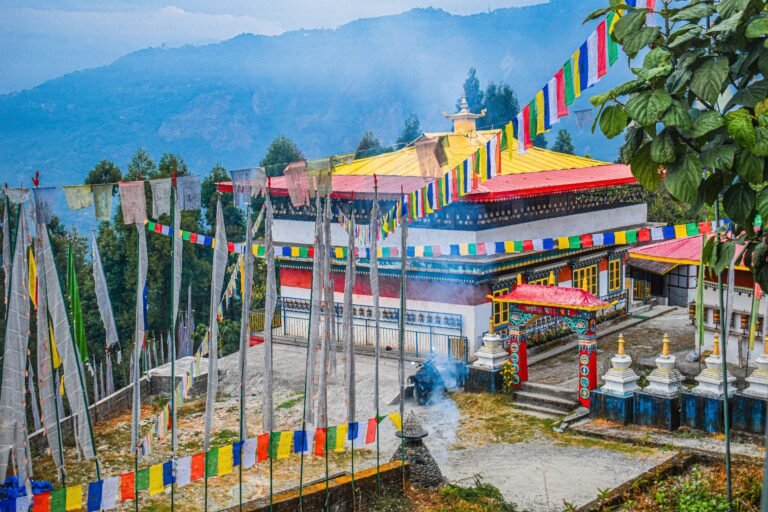
The temple is the most important landmark on the hill. Devotees come here to offer prayers, while travelers often pause to absorb the serene atmosphere and the fluttering prayer flags nearby.
2. Enjoy the Himalayan Views
On clear days, the hill offers beautiful views of the surrounding mountains and Darjeeling town below. While weather conditions can affect visibility, the setting itself is always worth the walk.
3. Walk Through the Spiritual Trail
The path to the hill is part of the experience. You will notice prayer wheels, small shrines, colorful flags, and locals moving about their daily routines. The walk offers a glimpse into Darjeeling’s living culture.
4. Take Photography Stops
The mix of temple architecture, misty slopes, and mountain backdrops makes this a favorite spot for photography. Early morning light and post-rain clouds create especially beautiful frames.
5. Sit and Slow Down
Sometimes the best thing to do here is simply sit quietly for a while. Observatory Hill is ideal for travelers who enjoy reflective places rather than crowded sightseeing points.
Nearby Attractions
One of the best things about Observatory Hill is that it sits close to several of Darjeeling’s most visited places. You can easily combine it with a half-day or full-day town exploration.
Popular Nearby Spots
- Chowrasta: Darjeeling’s iconic promenade and social hub, perfect for a relaxed walk.
- Mall Road: A lively area for strolling, shopping, and enjoying the town atmosphere.
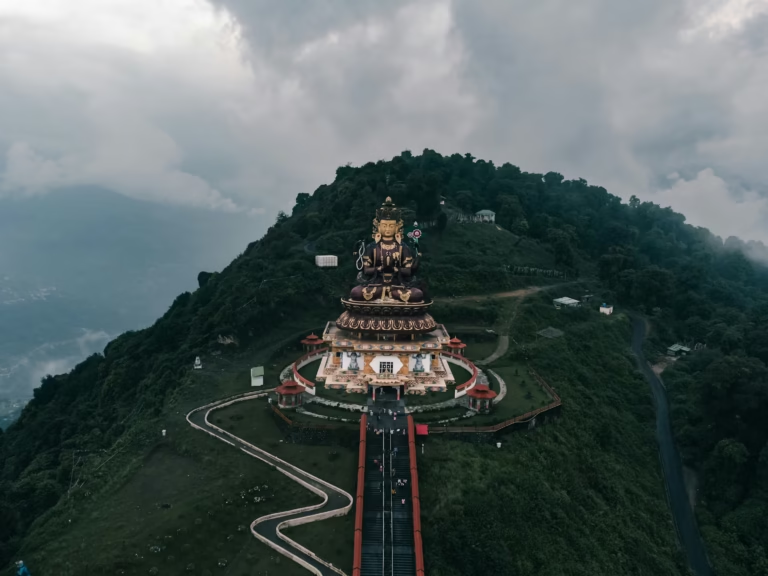
- Peace Pagoda: A serene Buddhist monument with panoramic views and a calm setting.
- Himalayan Mountaineering Institute: A must-visit for those interested in mountaineering history.
- Padmaja Naidu Himalayan Zoological Park: Known for high-altitude wildlife, including red pandas.
- Batasia Loop: A scenic railway loop and viewpoint with excellent mountain vistas.
If you are short on time, Observatory Hill pairs well with Chowrasta and the Mahakal Temple area for a compact and meaningful Darjeeling walk.
How to Reach
Observatory Hill is located in central Darjeeling, so reaching it is relatively easy once you are in town.
By Air
The nearest airport is Bagdogra Airport, around 70 kilometers away. From there, you can take a prepaid taxi, shared cab, or private vehicle to Darjeeling.
By Train
New Jalpaiguri (NJP) is the closest major railway station. From NJP, travelers usually continue by road to Darjeeling.
By Road
Darjeeling is well connected by road to Siliguri, Bagdogra, and nearby towns. Once you reach Darjeeling, Observatory Hill is accessible by a short walk or a local taxi depending on your hotel location and mobility needs.
Local Access
- Walking: Best if you are staying near Chowrasta or Mall Road.
- Taxi: Useful for families, elderly travelers, or if you are coming from another part of town.
- Rides and steps: Expect some uphill sections and uneven paths, so comfortable footwear matters.
Accommodation Options
There are no major stay options directly on Observatory Hill, but Darjeeling offers a wide range of accommodation nearby. Most travelers stay around Chowrasta, Mall Road, Gandhi Road, or the Mall Road–Lebong Cart Road area.
Types of Stays
- Budget guesthouses: Simple rooms with basic amenities, suitable for backpackers and short stays.
- Mid-range hotels: Comfortable rooms, often with mountain views and attached bathrooms.
- Boutique stays: Good for couples and travelers looking for a more atmospheric experience.
- Family hotels: Larger rooms and easier access to the main town area.
What to Look For
- Proximity to Mall Road or Chowrasta
- Heated rooms in colder months
- View rooms if you want sunrise or Kanchenjunga glimpses
- Easy taxi access, especially during monsoon or with children
Staying close to central Darjeeling makes it easier to visit Observatory Hill early in the morning or in the evening when the atmosphere is most pleasant.
Estimated Costs
Travel costs in Darjeeling can vary based on the season, comfort level, and type of transport you choose. Here is a practical estimate for Observatory Hill and nearby sightseeing.
Typical Cost Range
- Local taxi within Darjeeling town: INR 200 to INR 600, depending on distance and time
- Tea, snacks, and street food: INR 50 to INR 200 per person
- Budget accommodation: INR 1,000 to INR 2,500 per night
- Mid-range hotel: INR 3,000 to INR 6,000 per night
- Boutique or premium stay: INR 6,500 and above per night
If you are traveling with a tight budget, Observatory Hill is especially attractive because the main experience is walking, sightseeing, and soaking in the atmosphere rather than paying for entry-heavy attractions.
Local Experiences: Food, Shopping, and Culture
Food to Try Nearby
Darjeeling’s food scene is one of the joys of visiting Observatory Hill. After your walk, head toward the town area to sample local favorites.
- Momos: Steamed or fried dumplings, often served with spicy chutney.
- Thukpa: A warming noodle soup, perfect in cool weather.
- Churpee and local snacks: Traditional mountain-style bites worth trying.
- Darjeeling tea: Fresh, fragrant, and a must-have experience in the region.
Shopping Ideas
Shopping around Observatory Hill is usually informal and town-based rather than market-heavy. Look for:
- Packaged Darjeeling tea
- Handmade woolens
- Local souvenirs and prayer items
- Small crafts from nearby market lanes
Culture and Atmosphere
The cultural experience at Observatory Hill comes from the blend of religious traditions, local devotion, and everyday mountain life. You may see pilgrims, monks, local residents, and tourists sharing the same space respectfully. The atmosphere is calm, and the hill is best appreciated when you move slowly and observe quietly.
Tips for Families, Honeymooners, and Friends
For Families
- Wear sturdy shoes; some paths are uneven or slightly steep.
- Keep children close, especially near temple areas and viewpoints.
- Plan shorter walks if you are traveling with elderly family members.
- Carry water, light snacks, and a small umbrella or rain jacket.
For Honeymooners
- Visit early morning or late afternoon for softer light and a quieter feel.
- Choose a hotel near Chowrasta or Mall Road for easy access and mountain views.
- Carry warm layers, especially if you want to enjoy a calm sunset stroll.
- Keep the plan flexible, as weather in Darjeeling can change quickly.
For Friends and Small Groups
- Combine Observatory Hill with Chowrasta, Batasia Loop, and local cafés for a relaxed day.
- Carry cash for small purchases and local taxi fares.
- Start sightseeing early to avoid crowds and get better mountain visibility.
- Respect the temple environment and avoid loud behavior near prayer spaces.
Packing and Safety Guidance
- Pack comfortable walking shoes and a light jacket year-round.
- Bring rain protection during monsoon months.
- Keep valuables secure in crowded market areas.
- Check weather conditions before planning a viewpoint-heavy day.
- Carry basic medication if you are sensitive to altitude or cold winds.
FAQs
Q: Is Observatory Hill worth visiting in Darjeeling?
A: Yes, especially if you enjoy scenic walks, spiritual sites, and local history. It is one of Darjeeling’s most meaningful short visits.
Q: How much time do I need for Observatory Hill?
A: Most visitors spend 30 minutes to 1.5 hours, depending on whether they are visiting the temple, taking photos, or combining it with nearby spots.
Q: Is Observatory Hill suitable for families and older travelers?
A: Yes, but the uphill walk and uneven paths may require caution. Hiring a taxi to the nearest accessible point can make the visit easier.
Q: What is the best time of day to visit?
A: Early morning is ideal for clearer views and fewer crowds. Late afternoon is also pleasant if the weather is stable.
Q: Can I combine Observatory Hill with other Darjeeling attractions in one day?
A: Absolutely. It pairs well with Chowrasta, Mall Road, the Peace Pagoda, Batasia Loop, and the Himalayan Mountaineering Institute.
Conclusion
Observatory Hill is one of Darjeeling’s most memorable places because it brings together mountain views, spiritual heritage, and the town’s everyday rhythm in one compact location. Whether you come for the Mahakal Temple, the peaceful atmosphere, or the chance to explore nearby landmarks, the hill offers a thoughtful and authentic Darjeeling experience. With the right timing, comfortable shoes, and a slow pace, it becomes much more than a viewpoint; it becomes a quiet highlight of the hill station.