Table of Contents
- Introduction: Lachen–Lachung Tour Plan for First-Time Visitors
- Top Cities and Places to Visit
- Tourist Circuits in North Sikkim
- Activities and Experiences
- Festivals and Events
- Ideal Itineraries for First-Time Visitors
- Best Time to Visit and Weather
- How to Reach Lachen & Lachung
- Accommodation Options
- Estimated Costs and Permits
- Local Food, Shopping, and Culture
- Travel Tips and Packing Guide
- Tips for Different Traveler Types
- FAQs
- Conclusion
Introduction: Lachen–Lachung Tour Plan for First-Time Visitors
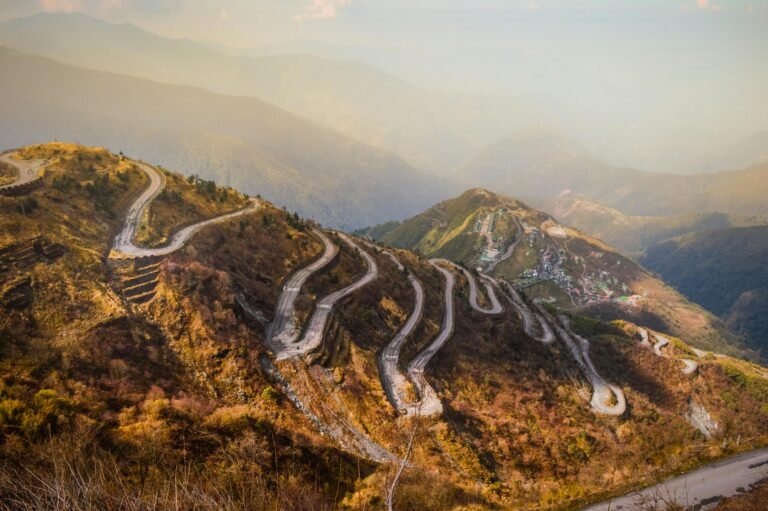
High in North Sikkim’s mountains, the twin valleys of Lachen and Lachung offer some of the Himalaya’s most dramatic landscapes—glassy alpine lakes, rhododendron-filled meadows, and snow-laced peaks. This guide builds a clear, first-timer-friendly tour plan that covers when to go, how to arrange permits, what to see, where to stay, and how much it costs. You’ll also find sample itineraries that balance altitude, comfort, and time.
Top Cities and Places to Visit
Lachen (2,750 m)
- Gateway to Gurudongmar Lake, Thangu, and Chopta Valley.
- Quiet village vibe; limited but warm homestays and lodges.
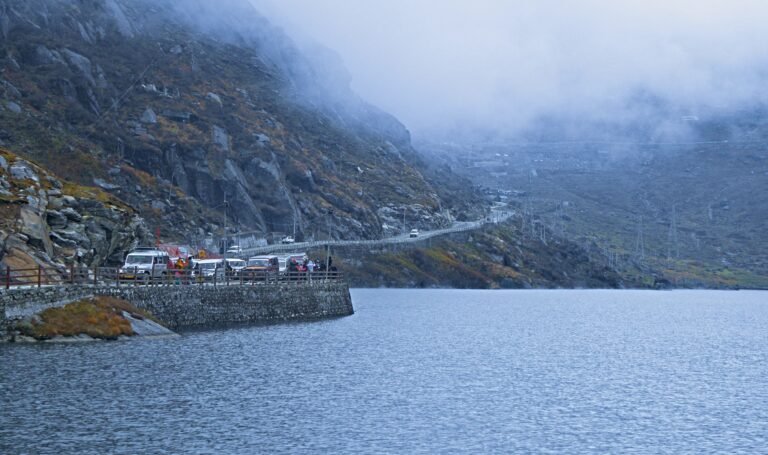
Gurudongmar Lake (approx. 5,430 m)
- One of the world’s highest lakes; visit early morning for calmer winds and clearer views.
- Very high altitude—keep visits short and avoid exertion.
Thangu & Chopta Valley (4,000–4,200 m)
- Stark, beautiful highland meadows; great for short acclimatization stops and photography.
Lachung (2,600 m)
- Base for Yumthang Valley, Zero Point (Yumesamdong), and Mt. Katao (subject to permits and road conditions).
Yumthang Valley (3,500–3,700 m)
- “Valley of Flowers” in spring; hot springs nearby; undulating meadows and pine forests.
Zero Point / Yumesamdong (approx. 4,700–4,800 m)
- Snow views in winter/spring; raw, wind-swept terrain; often an add-on from Lachung.
Mt. Katao (around 3,900 m; when open)
- Panoramic snow views in winter; access depends on permits/army clearance.
Chungthang
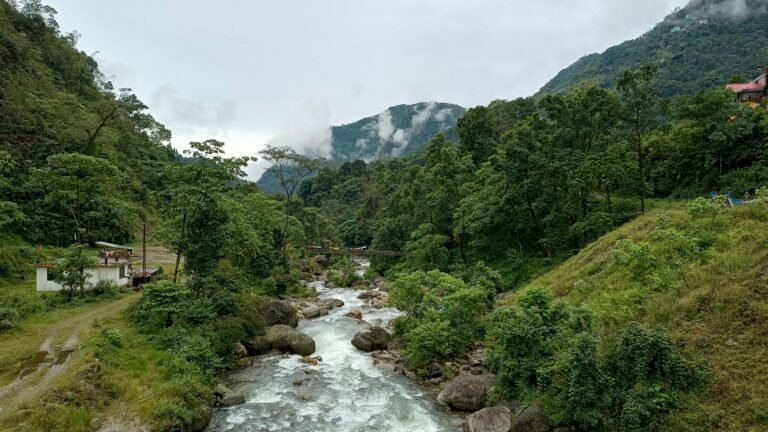
- Confluence of Lachen Chu and Lachung Chu; brief halt between Gangtok and North Sikkim valleys.
En‑route Sights from Gangtok
- Singhik Viewpoint, Seven Sisters Waterfall, Naga Waterfall—good short photo stops.
Tourist Circuits in North Sikkim
- Lachen Circuit: Gangtok → Lachen → Thangu/Chopta → Gurudongmar → back to Lachen or onward to Lachung/return to Gangtok.
- Lachung Circuit: Gangtok → Lachung → Yumthang → Zero Point (optional) → Lachung → Gangtok.
- Combined Circuit (popular): Gangtok → Lachen (1N) → Gurudongmar → Lachung (1N) → Yumthang/Zero Point → Gangtok.
Activities and Experiences
- Sightseeing: alpine lakes, valleys, waterfalls, monasteries.
- Short walks: gentle meadow strolls at Chopta and Yumthang (weather-dependent).
- Photography: sunrise over high peaks, starry skies in winter; carry extra batteries.
- Hot springs: rustic pools near Yumthang (variable conditions).
- Cultural immersion: village stays in Lachen/Lachung; try local Sikkimese-Bhutia-Lepcha cuisine.
Festivals and Events
- Losar (Tibetan New Year) – late winter.
- Saga Dawa – May/June Buddhist holy month; processions in monasteries across Sikkim.
- Pang Lhabsol – Aug/Sep, honoring Mt. Kanchenjunga; cultural dances in many parts of Sikkim.
- Namsoong/Losoong – Dec/Jan Sikkimese New Year with traditional festivities.
Ideal Itineraries for First-Time Visitors
2N/3D Snapshot (Both Valleys, Fast-Paced)
- Day 1: Gangtok → Lachen (5–6 hrs). En‑route waterfalls/viewpoints. Early dinner, rest.
- Day 2: Lachen → Thangu/Chopta → Gurudongmar (very early start) → drive to Lachung (4–6 hrs). Overnight Lachung.
- Day 3: Lachung → Yumthang → optional Zero Point → Gangtok.
Good for quick highlights; altitude exposure is intense—sleep well, keep hydrated, avoid overexertion.
3N/4D Balanced Classic
- Day 1: Gangtok → Lachen. Acclimatize.
- Day 2: Lachen → Gurudongmar → return via Thangu/Chopta → overnight Lachen or Lachung (if energy permits).
- Day 3: Lachung → Yumthang → optional Zero Point → Lachung.
- Day 4: Lachung → Gangtok.
4N/5D Unhurried + Optional Add‑Ons
- Day 1: Gangtok → Lachen.
- Day 2: Gurudongmar excursion → Lachen.
- Day 3: Lachen → Lachung (via Chungthang) with photo stops.
- Day 4: Yumthang → Zero Point (optional) → Lachung. If open, add short Katao drive.
- Day 5: Lachung → Gangtok.
Note: Road/permit timings are enforced at checkposts; departures are often before sunrise for high-altitude segments.
Best Time to Visit and Weather
- Spring (Mar–May): Rhododendrons in bloom, meadows colorful; cool to cold; some snow at higher spots.
- Autumn (Oct–Dec): Clearest skies and peak views; cold nights; early winter snow possible.
- Winter (Jan–Feb): Heavy snow can close roads; stunning snowscapes when open; very cold.
- Monsoon (Jun–Sep): Frequent landslides, poor visibility; many operators limit or avoid North Sikkim trips.
How to Reach Lachen & Lachung
- By Air: Fly to Bagdogra (IXB), then 4–5 hrs to Gangtok by road. Pakyong (PYG) is closer to Gangtok but has limited/variable flights.
- By Rail: New Jalpaiguri (NJP) is the nearest major railhead; then road to Gangtok.
- By Road to North Sikkim: From Gangtok, registered tour operators arrange shared/private SUVs with mandatory permits.
Important: Independent self-drive rentals typically aren’t permitted into North Sikkim beyond checkpoints. Always use a registered local operator/vehicle.
Accommodation Options
- Lachen & Lachung: Simple lodges and homestays; a few mid-range hotels. Heating usually via electric blankets/hot water bags; space heaters may be extra.
- Amenities: Intermittent electricity, limited mobile data (best chance: BSNL/Jio), scarce ATMs. Hot water often time-bound.
- Where to base: One night in each valley is standard; add extra nights for a slower pace or families.
- Indicative nightly rates: INR 2,000–6,000 per room for clean, heated stays (season-dependent).
Estimated Costs and Permits
Typical Trip Costs (per person, ex-Gangtok)
- 2N/3D shared vehicle package: ~INR 8,000–15,000 (includes permits, transport, basic meals, and stays).
- Private SUV upgrade: Add INR 8,000–15,000 per vehicle for the circuit, depending on season and model.
- Add-ons: Zero Point/Katao local fees and vehicle extensions: INR 500–2,000+ per person (group size dependent).
- Meals: Often included as fixed veg/non-veg set menus in packages; standalone meals INR 300–600 per person.
Permits
- Indian nationals: North Sikkim permits are mandatory and arranged by operators; carry government ID and 2–4 passport photos.
- Foreign nationals: Require Restricted/Protected Area Permits for Sikkim and additional route permits. Access to some high-altitude spots (e.g., Gurudongmar) is commonly restricted; confirm latest rules with your operator.
- Checkposts & timings: Roads open/close per weather and security; plan for early departures.
Local Food, Shopping, and Culture
- Food to try: Thukpa, momos, gyathuk, phagshapa (pork with radish), nettle soup (sisnu), churpi (yak/cow milk cheese), local millet/rice brews (where permitted).
- Where to eat: Lodge kitchens and small dhabas; menus are simple, warming, and carb-rich for cold weather.
- Shopping: Minimal in Lachen/Lachung—pick up hand-knit woolens, handmade trinkets if available. Major shopping is best in Gangtok (handicrafts, tea, cardamom).
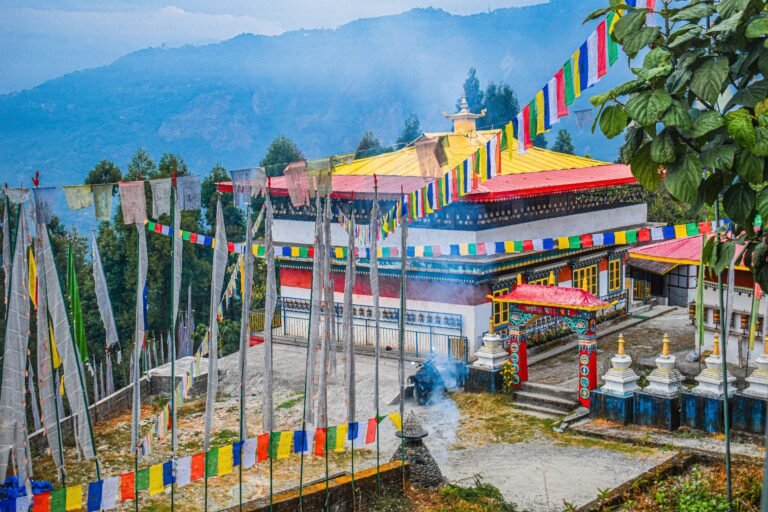
- Culture: Bhutia and Lepcha heritage; monasteries and prayer flags dot the valleys. Dress modestly at religious sites and ask before photographing people.
Travel Tips and Packing Guide
- Altitude care: Ascend gradually, keep hydrated, avoid alcohol, and don’t overexert—especially at Gurudongmar/Zero Point. If unwell, inform your driver/guide and descend.
- Essential layers: Thermal base layers, fleece, down/warm jacket, windproof shell, woolen cap, neck gaiter, waterproof gloves, warm socks.
- Day essentials: Sunglasses, SPF 50+ sunscreen, lip balm, moisturizer, reusable water bottle, snacks (energy bars, dry fruits), basic meds per your doctor.
- Footwear: Waterproof trekking shoes or sturdy sneakers with good grip.
- Docs & cash: Government ID/passport, permit copies, passport photos, and sufficient cash (ATMs are scarce or nonfunctional).
- Connectivity: Expect limited network; download offline maps and carry a power bank.
- Etiquette & safety: Obey army/military area signs, no drones unless authorized, respect photography rules at checkposts, and avoid littering.
Tips for Different Traveler Types
Families
- Choose the 3N/4D or 4N/5D plan for a gentler pace.
- Consider skipping Zero Point or limiting time at very high altitudes for young children and seniors; consult a doctor for pre-existing conditions.
- Carry extra warm layers for kids and familiar snacks.
Honeymooners
- Book a cozy homestay or mid-range lodge with electric blankets; confirm hot water/heating policies.
- Travel in late Oct–Nov or Apr–May for clearer views and blooms.
- Plan unhurried mornings; pick the 4N/5D itinerary for comfort.
Friends/Backpackers
- Shared SUVs keep costs down; be flexible with weather-driven changes.
- Pack light but warm; bring cards/board games for long evenings without Wi‑Fi.
- Photographers: Early starts are key; keep batteries warm and carry a rain cover for gear.
FAQs
Q: Do I need a permit for Lachen and Lachung?
A: Yes. North Sikkim permits are mandatory and are arranged by registered tour operators. Carry a valid government ID/passport and passport photos.
Q: Can foreigners visit Gurudongmar Lake?
A: Access for foreign nationals is commonly restricted due to border sensitivity. Policies can change; check the latest rules with your operator before planning.
Q: What is the best time to see rhododendrons in Yumthang?
A: Typically March to early May, depending on snowfall and spring temperatures.
Q: Are ATMs and mobile networks available?
A: ATMs are unreliable or absent in Lachen/Lachung. Mobile signal is limited (BSNL/Jio fare best). Carry sufficient cash and expect patchy connectivity.
Q: Is the trip suitable for children and seniors?
A: The valleys are fine with caution, but very high-altitude spots like Gurudongmar and Zero Point can be strenuous. Limit exposure and consult a doctor for health advice.
Conclusion
The Lachen–Lachung circuit blends Himalayan drama with quiet village life—Gurudongmar’s stark beauty, Yumthang’s flower-filled meadows, and crisp mountain air. Plan for permits, start early, keep your schedule flexible for weather, and pace your altitude exposure. With the right layers and expectations, first-time visitors can experience North Sikkim’s highland highlights comfortably and safely.