Table of Contents
- Introduction
- Must-Visit Places in Darjeeling
- Local Experiences: Food, Shopping, Culture
- Nearby Getaways
- Best Time to Visit
- How to Reach Darjeeling
- Accommodation Options
- Estimated Trip Costs
- Suggested 3-Day Itinerary
- Tips for First-Time Visitors
- Traveler-Specific Tips
- FAQs
- Conclusion
Introduction
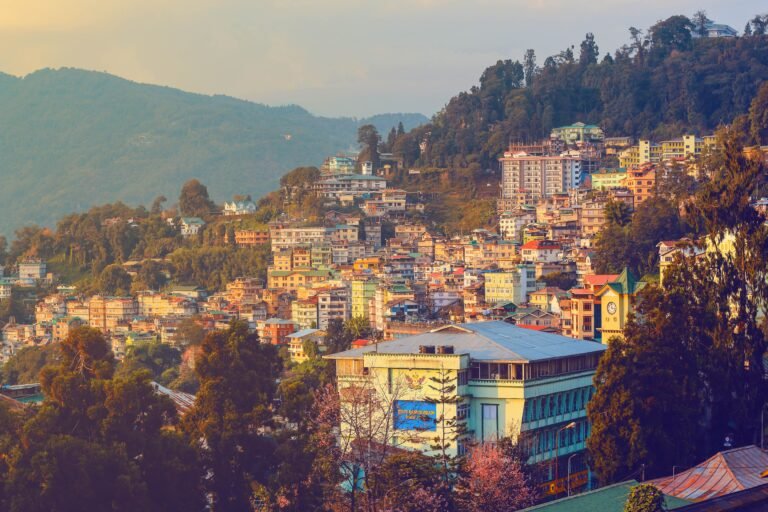
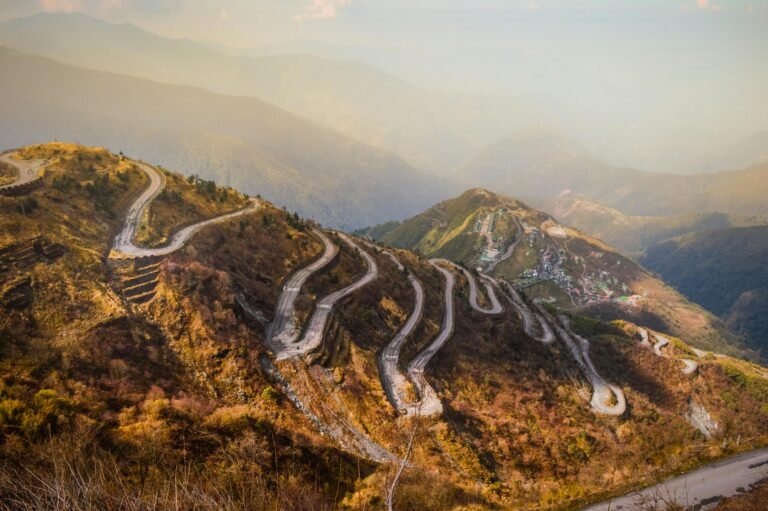
Cradled in the eastern Himalayas, Darjeeling blends emerald tea gardens, colonial-era charm, and sweeping views of Mt. Kanchenjunga. For first-time visitors, this hill town offers a gentle pace, narrow lanes perfumed by tea, and the nostalgic whistle of the UNESCO-listed Darjeeling Himalayan Railway. This guide distills the essentials—what to see, where to stay, how to get around, and how to plan a smooth, memorable first trip.
Must-Visit Places in Darjeeling
- Tiger Hill (Sunrise Viewpoint): Iconic dawn panorama of Kanchenjunga; on very clear mornings, distant Everest peeks. Arrive before 4:30–5:00 am in peak seasons.
- Batasia Loop & War Memorial: A photogenic spiral of the “toy train” tracks with landscaped gardens and mountain views.
- Darjeeling Himalayan Railway (Toy Train) Joyride: UNESCO World Heritage narrow-gauge ride from Darjeeling to Ghum via Batasia Loop (approx. 2 hours round trip).
- Himalayan Mountaineering Institute (HMI) & Padmaja Naidu Himalayan Zoological Park: Excellent mountaineering museum and high-altitude fauna (red pandas, snow leopards).
- Chowrasta (Mall Road) & Observatory Hill: Pedestrian heart of town; browse bookshops and cafés; visit Mahakal Temple on the hill.
- Happy Valley Tea Estate (or similar): Estate tours, plucking demonstrations (seasonal), and tastings of world-famous Darjeeling tea.
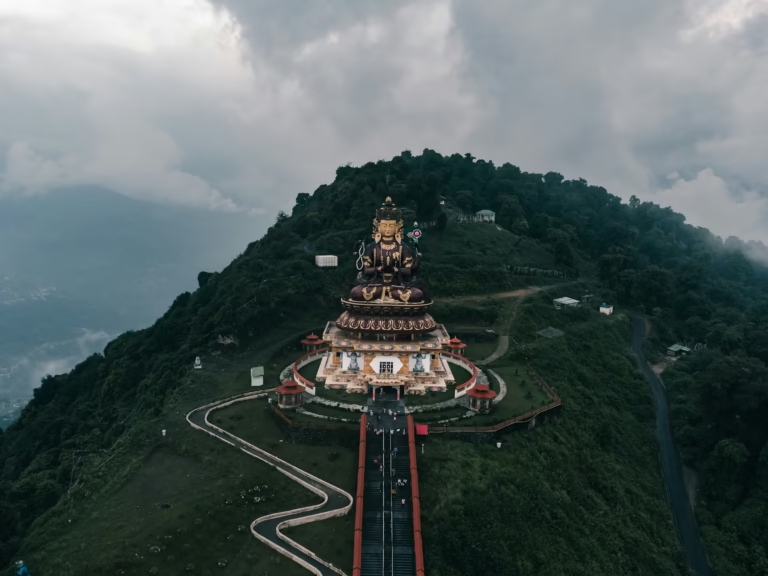
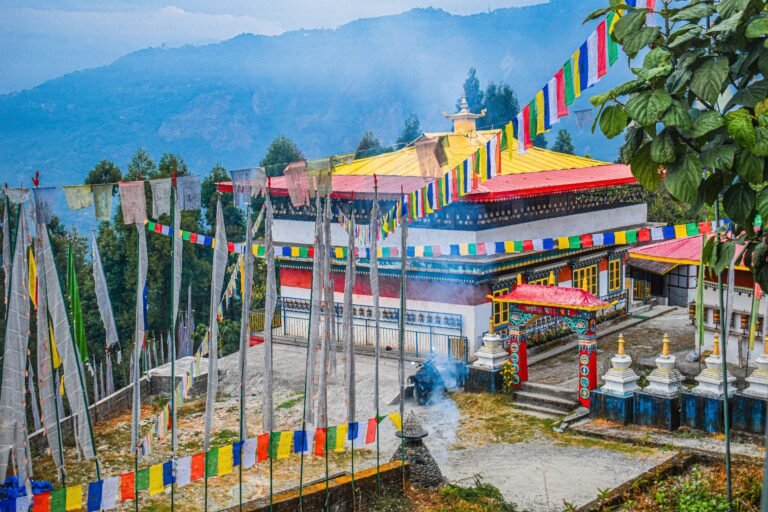
- Japanese Peace Pagoda & Dali Monastery: Serene Buddhist landmarks with sweeping vistas and calming chants.
- Darjeeling Ropeway (Rangeet Valley Cable Car): Glides over tea gardens and valleys; weather-dependent with possible queues.
- Nightingale Park (Shrubbery): Landscaped park with walkways and mountain outlooks.
- Lloyd’s Botanical Garden: Heritage garden famed for orchids, ferns, and Himalayan flora.
- Rock Garden & Gangamaya Park: Terraced gardens with waterfalls; a pleasant afternoon outing.
- Tenzing & Gombu Rocks: Natural rock faces used for mountaineering practice; quick stop for photos.
Local Experiences: Food, Shopping, Culture
Food & Cafés
- Momos, Thukpa, Alu Dum, Sael Roti, Chhurpi: Nepali-Tibetan staples that define the local palate.
- Tea Tastings: Sample first and second flush Darjeeling teas at estate outlets and specialty tea rooms.
- Classic cafés and bakeries: Colonial-era cafés for breakfasts, pastries, and hillside views.
- Local favorites: Small family-run eateries around Nehru Road and Chowk Bazaar serve hearty plates at good value.
Shopping
- Darjeeling Tea: Buy sealed packets from reputed estate stores; check garden name, flush, and grade.
- Woollens & Handicrafts: Hand-knits, shawls, wooden curios, Buddhist thangkas, and prayer flags.
- Where to shop: Nehru Road, Chowk Bazaar, and around Chowrasta; bargain politely where prices aren’t fixed.
- Tip: Request vacuum-sealed tea and a tasting note card to take home.
Culture & Etiquette
- Communities: A blend of Gorkha (Nepali), Lepcha, Bhutia, and Tibetan influences.
- Festivals: Losar (Tibetan New Year), Dasain/Dashain, Tihar, Maghe Sankranti add color to the calendar.
- Etiquette: Remove shoes in monasteries; ask before photographing people or prayer rooms; keep noise low at spiritual sites.
Nearby Getaways
- Mirik (2–2.5 hrs): Sumendu Lake, orange orchards, tea gardens.
- Kurseong (1.5–2 hrs): Quiet tea town with viewpoints and heritage vibes.
- Kalimpong (2.5–3 hrs): Monasteries, cactus nurseries, Deolo Hill vistas.
- Lamahatta & Tinchuley (1–2 hrs): Forest trails, homestays, valley views.
- Lepchajagat (45–60 min): Misty hamlet known for birding and tranquil stays.
- Sandakphu/Phalut (Multi-day trek via Manebhanjan): Panoramas of four of the world’s five highest peaks on clear days.
Best Time to Visit
- Oct–Nov (Autumn): Crisp skies, best mountain views; cool nights.
- Mar–Apr (Spring): Blooming orchids and rhododendrons; pleasant weather.
- Dec–Feb (Winter): Cold (2–10°C), fewer crowds; occasional frost; pack warm layers.
- May: Mild to warm days; popular month but haze can soften views.
- Jun–Sep (Monsoon): Lush but rainy; landslide risk and visibility issues—travel buffers recommended.
How to Reach Darjeeling
By Air
- Nearest airport: Bagdogra (IXB), approx. 70–75 km; 3–3.5 hours by road, traffic and weather dependent.
- Transfers: Prepaid taxis at the airport; shared jeeps available from Siliguri stands.
By Rail
- Major railhead: New Jalpaiguri (NJP), ~3–4 hours by road to Darjeeling.
- Toy Train: Heritage services and joyrides bookable on IRCTC; the Darjeeling–Ghum–Darjeeling loop is the most reliable.
By Road
- From Siliguri/NJP/IXB: Shared jeeps and reserved cabs via Rohini, Pankhabari, or Hill Cart Road.
- Road notes: Monsoon can cause delays; start early and keep a buffer.
Accommodation Options
Best Areas to Stay
- Near Chowrasta/Mall Road: Central, walkable, great for cafés and shops; some steps involved.
- Lebong Cart Road / Gandhi Road: Quieter stays, some with better views; check distance to taxi stand.
- Tea Estate & Boutique Stays (around town): Immersive experiences with higher tariffs and serene settings.
Types & Typical Prices (Per Night, INR)
- Hostels/Guesthouses: 600–1,200 (dorm/compact rooms).
- Budget Hotels: 1,500–3,000.
- Mid-range: 3,000–7,000.
- Luxury/Heritage: 8,000–20,000+.
- Tea Estate Stays: 10,000–30,000+ (often with meals/activities).
Booking tips: Confirm heating (extra charges in winter), power backup, room views, and number of stairs. Central locations reduce reliance on taxis.
Estimated Trip Costs
- Airport/NJP Transfers: Shared jeep 300–500 per seat; reserved small car 2,800–4,500+ depending on season/vehicle.
- Local Transport: Short taxi hops 150–400; day hires 2,000–3,500+ based on route.
- Attractions: HMI+Zoo 150–300; Ropeway 250–400 per adult; Tiger Hill vehicle fee varies; park/monastery donations optional.
- Toy Train Joyride: Approx. 1,000–1,600 per person (steam higher than diesel).
- Food: 400–800 per person/day (budget); 900–1,800 (mid-range); cafés/bakeries extra.
- Daily Budget (excluding flights):
- Budget: 2,000–3,500.
- Mid-range: 4,000–8,000.
- Luxury: 10,000+.
Prices fluctuate by season; carry some cash as smaller shops may prefer cash/UPI over cards.
Suggested 3-Day Itinerary
Day 1: Town Essentials
- Stroll Chowrasta (Mall Road), browse bookshops and cafés.
- Visit HMI & Zoo; stop by Lloyd’s Botanical Garden if time allows.
- Tour and taste at Happy Valley Tea Estate.
- Sunset saunter along Mall Road; early dinner.
Day 2: Sunrise, Railway, and Monasteries
- Pre-dawn drive to Tiger Hill; continue to Batasia Loop.
- Ride the Toy Train Joyride (book in advance).
- Visit Dali Monastery or Peace Pagoda; relax at Nightingale Park.
Day 3: Valleys and Views
- Glide on the Darjeeling Ropeway (weather permitting).
- Excursion to Rock Garden & Gangamaya Park or a short hike near Lepchajagat.
- Tea shopping on Nehru Road; depart.
Monsoon tweak: Prioritize in-town sights and cafés; keep flexible slots for weather windows.
Tips for First-Time Visitors
- Weather-ready packing: Layered clothing, rain jacket, warm cap/gloves (winter), comfortable walking shoes, sunscreen.
- Health & altitude: Town elevation ~2,042 m; usually mild effects—hydrate, avoid overexertion on day one.
- Monsoon safety: Check road conditions; add a buffer day; choose experienced drivers.
- Booking smart: Reserve toy train joyrides and sunrise vehicles ahead in peak months (Oct–Nov, Mar–May).
- Money & connectivity: ATMs available; UPI widely accepted; carry some cash for markets. Jio/Airtel generally work, but expect patchy spots.
- Local transport: Central stays help; shared jeeps/taxis connect major points; walking is common within town.
- Respect & sustainability: Keep noise low at monasteries; pack out litter; avoid single-use plastics.
Traveler-Specific Tips
Families
- Pick hotels near Chowrasta to minimize stairs and taxi reliance.
- Carry motion-sickness meds for winding roads.
- Choose gentle activities: HMI+Zoo, Batasia Loop, tea tasting, Ropeway (weather permitting).
Honeymooners
- Consider a night at a tea estate stay for privacy and views.
- Plan a Tiger Hill sunrise and leisurely café hopping.
- Pack warm layers for evening strolls; avoid peak monsoon for clearer vistas.
Friends & Backpackers
- Use shared jeeps to cut costs; base near the taxi stands for convenience.
- Short treks/hikes around Lepchajagat or day trips to Kurseong/Mirik.
- Opt for hostels/guesthouses; sample budget eateries in Chowk Bazaar.
FAQs
Q: How many days are enough for a first visit to Darjeeling?
A: Two to three full days cover highlights—Tiger Hill, toy train, HMI+Zoo, tea estate, and Mall Road. Add a day for nearby getaways like Mirik or Kalimpong.
Q: Is Darjeeling safe for solo travelers?
A: Yes, it’s generally safe. Stick to well-lit areas at night, use licensed taxis, and check weather/road updates in monsoon.
Q: Do I need a permit to visit Darjeeling?
A: No permits are required for Darjeeling town. Separate entry fees/permits apply if you trek in Singalila National Park (Sandakphu-Phalut route).
Q: Can I see snow in Darjeeling?
A: Snowfall in town is rare. For snow or winter vistas, plan treks or trips to higher elevations on the Singalila ridge in winter, weather permitting.
Q: What is the best time for clear mountain views?
A: Autumn (Oct–Nov) and late winter to spring (Feb–Apr) typically offer the clearest skies, especially for Tiger Hill sunrises.
Conclusion
Darjeeling rewards first-time visitors with Himalayan panoramas, heritage rail journeys, and fragrant tea gardens. Stay central to explore on foot, time your visit for clearer skies, and balance classic sights with quiet café hours. With mindful pacing and weather-aware plans, your first Darjeeling trip can be both effortless and unforgettable.