Table of Contents
- Introduction to Sikkim (2026)
- Best Time to Visit
- Top Cities and Places in Sikkim
- Tourist Circuits
- Activities and Adventures
- Festivals and Events
- How to Reach Sikkim
- Permits and Entry Rules (2026)
- Where to Stay
- Food and Local Flavours
- Shopping and Souvenirs
- Culture and Responsible Travel
- Suggested Itineraries
- Estimated Trip Costs
- Travel Tips by Traveler Type
- Essential Tips and Packing List
- FAQs
- Conclusion
Introduction to Sikkim (2026)
Cradled in the lap of the Himalaya, Sikkim is India’s emerald state of snow peaks, rhododendron valleys, ancient monasteries, and warm homestays. From the mirror-calm Gurudongmar Lake to tea-clad hills in the south and the royal heritage of West Sikkim, the state blends nature with culture across Lepcha, Bhutia, and Nepali traditions. This 2026 Sikkim travel guide distills the best routes, permits, seasons, budgets, and experiences to help you plan an unforgettable trip.
Best Time to Visit
- March–May: Bloom season. Rhododendrons in Yumthang/Barsey; pleasant trekking weather; occasional spring showers.
- October–December: Crystal-clear mountain views, post-monsoon freshness, great for photography and high-altitude trips.
- January–March: Snow at higher passes (Tsomgo, Zuluk) and North Sikkim; cold but magical. Road closures possible.
- June–September: Monsoon. Lush landscapes, fewer crowds, but landslides/road blocks can disrupt travel.
Top Cities and Places in Sikkim
Gangtok (Capital)
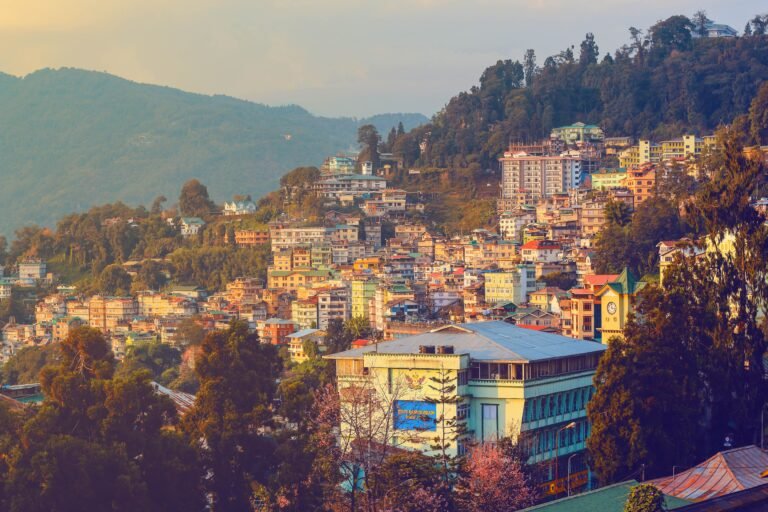
Vibrant base with cafes, views of Kanchenjunga, and easy day trips.
- MG Marg promenade, Ropeway, Namgyal Institute of Tibetology.
- Rumtek and Enchey monasteries nearby.
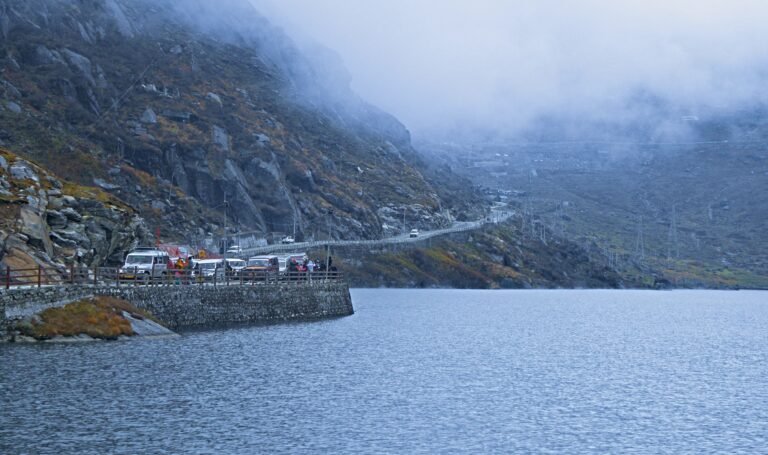
- Tsomgo (Changu) Lake & Baba Mandir day trip; Nathu La (permits required).
North Sikkim: Lachen, Lachung, Yumthang, Gurudongmar
Stark alpine beauty, high-altitude lakes, hot springs, and flower valleys.
- Lachen → Gurudongmar Lake (very high altitude; acclimatize).
- Lachung → Yumthang Valley and Zero Point; spring blooms and winter snow.
West Sikkim: Pelling, Yuksom, Kanchenjunga National Park
- Pelling: Skywalk at Chenrezig statue, Pemayangtse Monastery, Rabdentse ruins.
- Yuksom: Historic first capital and trailhead for Dzongri/Goecha La treks.
- Kanchenjunga National Park: UNESCO World Heritage Site, pristine trails.
South Sikkim: Namchi, Ravangla, Temi Tea
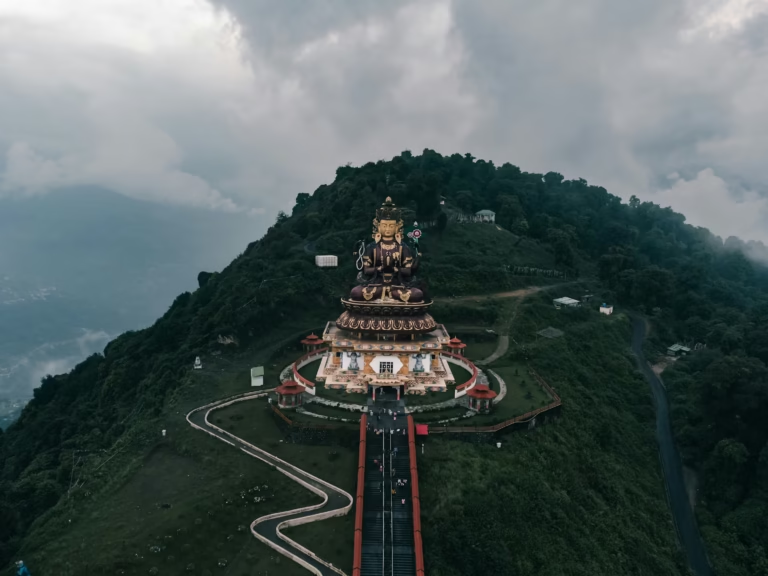
- Namchi: Samdruptse statue, Char Dham complex.
- Ravangla: Buddha Park, scenic stays.
- Temi Tea Garden: Sikkim’s only tea estate with lovely viewpoints.
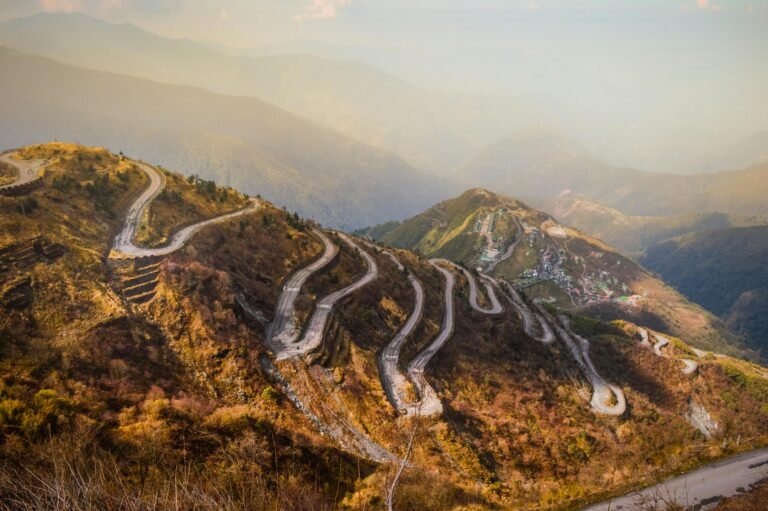
East Sikkim: Silk Route (Zuluk–Nathang–Padamchen)
A heritage trade route with dramatic hairpin bends and sunrise points.
Dzongu (Lepcha Reserve)
Culture-rich homestays, riverside walks, and slow travel in the Lepcha heartland.
Not-to-miss Monasteries
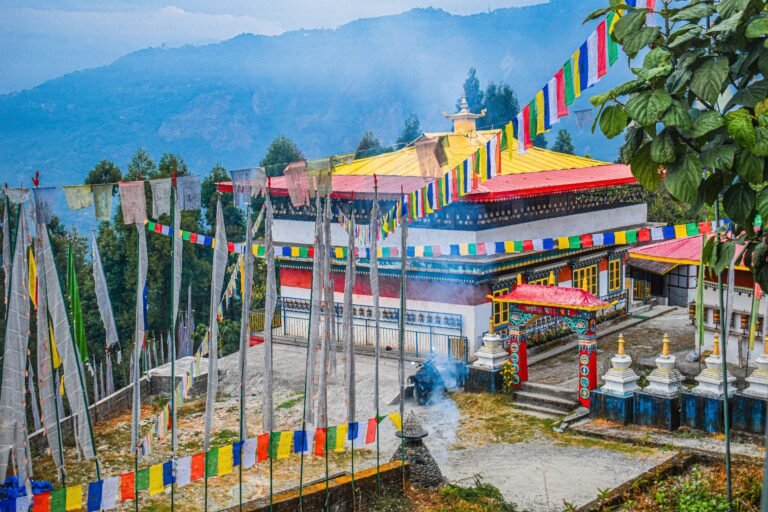
- Rumtek (near Gangtok), Pemayangtse (Pelling), Tashiding (West), Enchey (Gangtok), Ralang (South).
Tourist Circuits
Classic East Sikkim Loop (2–3 days)
- Gangtok → Tsomgo Lake → Baba Mandir → Nathu La (Indians only; permit) → Back to Gangtok.
- Best for: First-timers wanting snow views in winter/spring.
North Sikkim Highlights (2N/3D)
- Day 1: Gangtok → Lachen; waterfalls and viewpoints.
- Day 2: Gurudongmar Lake → Transfer to Lachung.
- Day 3: Yumthang/Zero Point → Gangtok.
West Sikkim Heritage (3–4 days)
- Gangtok/Pelling base → Pemayangtse → Rabdentse → Skywalk → Yuksom → Khecheopalri Lake.
South Sikkim Leisure (2–3 days)
- Namchi → Samdruptse → Char Dham → Ravangla Buddha Park → Temi Tea Estate.
Old Silk Route (3–4 days)
- Padamchen → Zuluk → Thambi Viewpoint → Nathang Valley → Kupup. Scenic high-altitude circuit.
Activities and Adventures
- Trekking: Dzongri (4–5 days), Goecha La (8–10 days), Barsey Rhododendron trails.
- Paragliding: Around Gangtok (short/high fly options; weather-dependent).
- River Rafting: Teesta and Rangeet (grade II–III), typically near Melli.
- Birding & Wildlife: Khangchendzonga NP, Maenam WS, Varsey sanctuary.
- Monastery Hopping: Rumtek, Pemayangtse, Tashiding, Ralang, Enchey.
- Yak Rides: Around Tsomgo Lake (regulated; choose animal-friendly operators).
- Mountain Biking: Trails near Gangtok and Pelling; guided tours recommended.
- Hot Springs: Yumthang/Others (seasonal access).
Festivals and Events
- Pang Lhabsol (Aug/Sep): Unique to Sikkim, honoring Mt. Kanchenjunga; masked dances.
- Losar (Feb/Mar): Tibetan New Year; monastery rituals and community feasts.
- Losoong/Namsoong (Dec): Sikkimese New Year; harvest celebrations and Cham dances.
- Saga Dawa (May/Jun): Sacred month in Buddhist calendar; processions in Gangtok.
- Bumchu (Jan/Feb): Divination ritual at Tashiding Monastery.
- International Flower Festival (May, Gangtok): Orchids, rhododendrons, and more.
- Kagyed Dance (Dec): Year-end ritual dances at major monasteries.
How to Reach Sikkim
By Air
- Pakyong Airport (PYG), near Gangtok: Limited flights; weather-related diversions possible.
- Bagdogra Airport (IXB), West Bengal: Most reliable gateway; 4–5 hours by road to Gangtok.
By Rail
- New Jalpaiguri (NJP): Major railhead; shared taxis and private cabs to Gangtok.
By Road
- NJP/Bagdogra → Sevoke → Rangpo → Gangtok on NH10. Scenic but can be slow in monsoon.
- Shared jeeps available from Siliguri/NJP to Gangtok, Pelling, Namchi (budget-friendly).
Permits and Entry Rules (2026)
Note: Rules can change. Always verify latest requirements and carry valid government photo ID with photocopies and passport-sized photos.
- Indian Nationals: Free entry to most of Sikkim. Protected areas require permits via registered operators:
- Nathu La Pass, Tsomgo, Baba Mandir (East Sikkim).
- North Sikkim sector: Lachen, Lachung, Yumthang, Gurudongmar.
- Dzongu (Lepcha reserve) and parts of the Old Silk Route (Zuluk sector).
- Foreign Nationals: Require Restricted/Protected Area Permit to enter Sikkim (obtainable online or at designated check posts with valid Indian visa). Additional area-specific permits needed for North/East sectors.
- Access to certain border areas is restricted. Nathu La and Gurudongmar viewpoints are generally not permitted to foreigners; limits may apply beyond specific checkpoints.
- Vehicles: Commercial vehicles must be Sikkim-registered for protected routes. Private vehicles may face restrictions on some circuits.
Where to Stay
- Gangtok: Wide range—boutique hotels on MG Marg, view rooms in Development Area, budget guesthouses.
- Pelling/Yuksom: Mountain-view resorts, heritage stays, trekker lodges.
- North Sikkim (Lachen/Lachung): Simple hotels/guesthouses with basic amenities and set meals.
- South Sikkim: Tea-estate bungalows at Temi, wellness retreats in Ravangla/Namchi.
- Dzongu/Silk Route: Community homestays—immersive and eco-conscious.
Indicative nightly rates (double, INR): Budget 1,000–2,500; Mid-range 2,500–6,000; Premium 6,000–12,000; Luxury 12,000–25,000+. Peak-season surcharges common.
Food and Local Flavours
- Staples: Momos, thukpa/thenthuk, noodles, steamed breads.
- Sikkimese Specialties: Phagshapa (pork with radish), kinema (fermented soybean), gundruk/sinki, churpi (hard/soft cheese), ningro (fiddlehead ferns) with churpi, nettle soup (sisnu).
- Drinks: Temi teas, butter tea, chhaang/tongba (millet beer; consume responsibly).
- Vegetarian/Vegan: Easy in cities; in remote areas, inform hosts in advance for plant-based meals.
- Where to taste: Family-run kitchens in Gangtok by-lanes, homestays in Dzongu/West Sikkim, tea garden cafes.
Shopping and Souvenirs
- Temi Tea (leaf and blends).
- Lepcha/Bhutia textiles, woolens, and stoles.
- Thangka paintings, prayer flags, singing bowls (buy from reputed artisans).
- Organic spices: large cardamom, turmeric; rhododendron squash; handmade pickles.
- Handmade paper journals and bamboo crafts.
Culture and Responsible Travel
- People: Lepcha (indigenous), Bhutia, and Nepali communities; Buddhism and Hinduism coexist.
- Etiquette: Dress modestly at monasteries; ask before photos; keep silence during prayers; shoes off in sacred halls.
- Environment: Sikkim is India’s first fully organic state. Avoid single-use plastic, carry refillable bottles, stay on marked trails.
- Community: Choose certified homestays and local guides. Respect wildlife and sacred lakes (no littering, no loud music).
Suggested Itineraries
4 Days: Sikkim Snapshot
- Day 1: Arrive Gangtok; MG Marg, Ropeway, Enchey.
- Day 2: Tsomgo Lake + Baba Mandir (+ Nathu La for Indians, permits).
- Day 3: Rumtek + Namgyal Institute; sunset viewpoints.
- Day 4: Day trip to Temi Tea + Ravangla Buddha Park; depart.
7 Days: Classic North + East
- Day 1: Gangtok arrival.
- Day 2: Tsomgo/Baba Mandir/Nathu La.
- Day 3: Gangtok → Lachen.
- Day 4: Gurudongmar → Lachung.
- Day 5: Yumthang/Zero Point → Gangtok.
- Day 6: Rumtek/Local monasteries.
- Day 7: Depart.
10 Days: Heritage West + Leisure South
- Days 1–2: Gangtok sights.
- Days 3–5: Pelling base—Pemayangtse, Rabdentse, Skywalk, Khecheopalri, Yuksom.
- Days 6–7: Ravangla/Temi/Namchi circuit.
- Days 8–10: Dzongu or Silk Route homestays for slow travel.
12 Days: Trek-Focused (Dzongri/Goecha La)
- Days 1–2: Gangtok/Pelling acclimatization.
- Days 3–10: Trek via Yuksom (guided; permits, gear, buffer day for weather).
- Days 11–12: Recovery in Pelling or Ravangla; depart.
Estimated Trip Costs
All costs indicative per person in INR; vary by season and group size.
- Accommodation (per night, double share): Budget 800–1,500; Mid 1,800–3,500; Premium 4,000–8,000; Luxury 9,000–20,000+.
- Meals: Local eateries 200–400 per meal; cafes 400–800; fine dining 1,000+.
- Transport:
- Airport (IXB) to Gangtok private SUV: 3,500–5,500; shared jeep: 400–600 per seat.
- Local taxis in Gangtok: 150–400 per hop (zone-based).
- Private vehicle with driver for intercity sightseeing: 3,000–6,500 per day (route-dependent).
- Popular Tours (vehicle + permits + basic meals where applicable):
- North Sikkim 2N/3D (shared basis): 4,500–9,000.
- Tsomgo–Baba Mandir day trip: 4,000–8,000 per vehicle; add permit fees.
- Nathu La add-on (Indians): Supplement 800–1,500 per person/operator dependent.
- Paragliding: 3,000–6,000; Rafting: 1,000–1,800.
- Entries/Permits: Monastery/park fees 20–400; Khangchendzonga NP entry approx. 200–400 (citizenship dependent; camera extra).
Typical budgets (per person, 6 nights, excluding flights): Backpacker 12k–20k; Comfort 22k–40k; Premium 45k–80k.
Travel Tips by Traveler Type
Families
- Choose moderate altitudes first (Gangtok, Pelling, South Sikkim). Introduce high-altitude day trips slowly.
- Carry warm layers for kids; snacks, motion-sickness meds for winding roads.
- Check hotel heating and hot water especially in winter.
Honeymooners
- Pick view rooms in Pelling/Ravangla; add a Temi tea-stay night.
- Plan a mix of relaxed days with one adventure (paragliding or Silk Route sunrise).
- Request private permits/vehicle for flexibility.
Friends/Backpackers
- Use shared jeeps between hubs; base in Gangtok then branch to circuits.
- Try homestays in Dzongu/Silk Route for culture and value.
- Carry offline maps and spare power banks; some areas have no signal.
Essential Tips and Packing List
- Altitude & Health: North Sikkim and passes are high. Acclimatize, keep hydrated, avoid alcohol before ascents. Those with respiratory/cardiac issues consult a doctor.
- Weather: Layered clothing, down/warm jacket, thermals (Oct–Mar), rain shell (Mar–Sep), gloves, beanie.
- Footwear: Grippy waterproof shoes; trek-ready boots for trails.
- Docs & Cash: Photo IDs, permits, 4–6 passport photos, and cash for remote areas (ATMs sparse outside cities).
- Connectivity: Jio/Airtel work in cities; patchy elsewhere. Pre-download permits, tickets, and maps.
- Road Conditions: Expect delays in monsoon and winter; keep buffers in itinerary.
- Sustainability: Refillable bottle, water purifier tablets, cloth bag; pack out all trash.
FAQs
Q: Do I need a permit to visit Sikkim?
A: Indians can enter most areas without a permit but need special permits for Nathu La, North Sikkim, Dzongu, and parts of the Silk Route. Foreigners require a Restricted/Protected Area Permit to enter Sikkim and additional permits for specific sectors.
Q: What is the best month to see snow?
A: January to March usually brings snow to higher altitudes like Tsomgo, Zuluk, and North Sikkim. Access depends on weather and road conditions.
Q: Is Gurudongmar Lake safe for children and seniors?
A: It sits at very high altitude. AMS risk is real; it’s generally not advised for young children or travelers with respiratory/cardiac concerns. Consult a doctor and acclimatize properly.
Q: Can foreigners visit Nathu La and Gurudongmar?
A: Typically no. These border zones are generally restricted to Indian nationals. Foreign travelers have access limitations beyond certain checkpoints.
Q: How many days are ideal for Sikkim?
A: A quick sampler needs 4–5 days. For North/East circuits, 6–8 days work well. Add West/South or a trek for a 10–12 day immersive trip.
Conclusion
Sikkim rewards every kind of traveler with its monastery-crowned ridges, flower-filled valleys, and welcoming communities. Plan around the season, permits, and altitude; choose circuits that match your pace; and favor local stays and guides. With thoughtful preparation, your 2026 Sikkim journey will balance adventure, culture, and calm amid the Himalaya.