Table of Contents
- Introduction
- Best Time to Visit Lachung
- Must-Visit Places in and around Lachung
- Local Culture and Food
- Nearby Getaways
- How to Reach Lachung
- Permits and Regulations
- Accommodation Options
- Estimated Costs and Budget Planning
- Shopping and What to Buy
- Safety and Responsible Travel
- Essential Tips for First-Time Visitors
- Tips by Traveler Type
- Practical Packing Checklist
- FAQs about Lachung
- Conclusion
Introduction
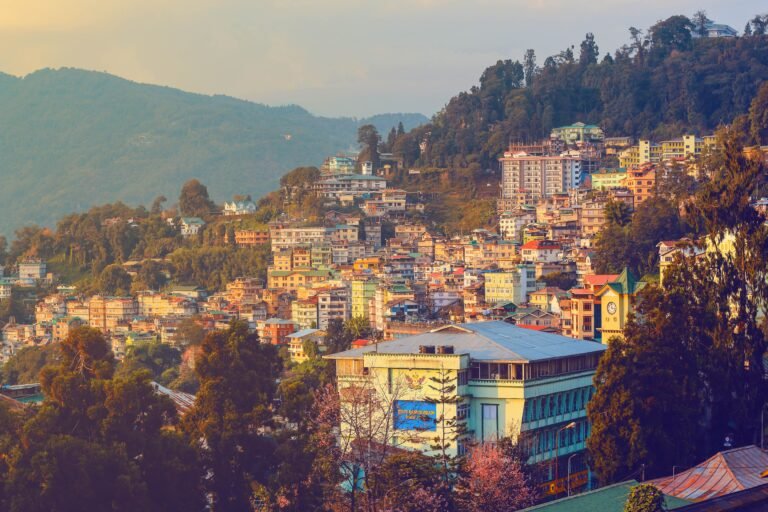
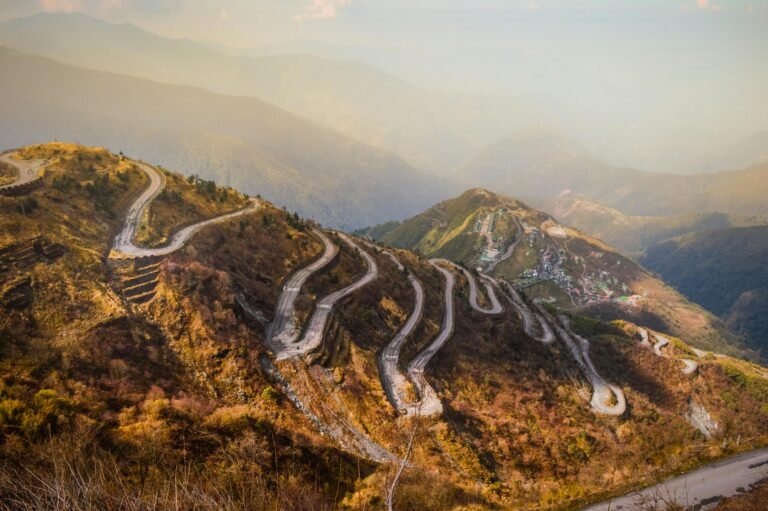
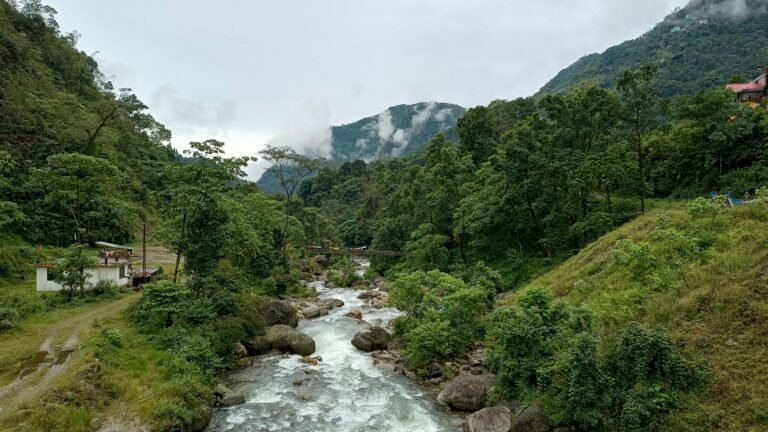
Lachung is a postcard-pretty Himalayan town in North Sikkim, where apple orchards, prayer flags, and roaring rivers frame some of India’s most dramatic alpine scenery. Perched at around 2,600 m (8,530 ft), it’s the gateway to the flower-strewn Yumthang Valley and the snow-laden expanses of Zero Point. For first-time visitors, Lachung offers crisp mountain air, simple village life, and soulful monasteries—plus day trips that will stay with you long after the snow has melted.
Best Time to Visit Lachung
- Spring (late Feb–Apr): Prime season for rhododendrons in Yumthang Valley and Shingba Rhododendron Sanctuary; cool days, cold nights.
- Autumn (Oct–Nov): Clear skies, great mountain views, pleasant days; popular for photography.
- Winter (Dec–Jan): Snowfall possible in Lachung, likely at higher reaches; roads may close intermittently.
- Monsoon (Jun–Sep): Heavy rain and landslides common; travel disruptions are likely. Not ideal for first-timers.
Must-Visit Places in and around Lachung
Yumthang Valley (Valley of Flowers)
About 25 km from Lachung, this high-altitude meadow is famous for carpets of rhododendrons (peak bloom March–April). Expect river-side vistas, grazing yaks, and dramatic ridgelines.
Zero Point (Yumesamdong)
Roughly 23 km beyond Yumthang at around 4,600–4,700 m. Stark, snow-draped terrain and thin air—stunning but strenuous. Access depends on weather and permits; go early to avoid afternoon clouds.
Shingba Rhododendron Sanctuary
Within the Yumthang Valley region, home to dozens of rhododendron species. Spring is sublime; tread lightly and avoid plucking flowers.
Lachung Monastery (Samten Choling)
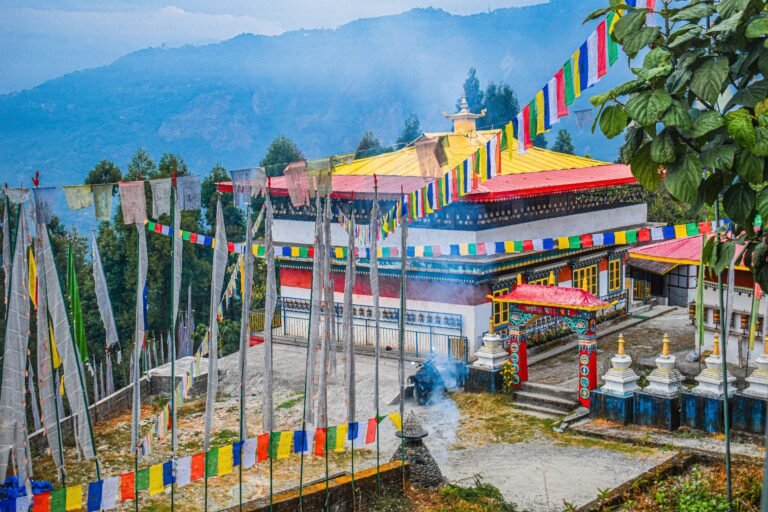
A serene 19th-century gompa with colorful murals and valley views. Visit at sunrise for soft light and quiet chants.
Katao
A high viewpoint near Lachung with snow views in winter/spring. Accessibility varies with army advisories and permits—check locally before planning.
Waterfalls en route
- Bhim Nala/Bhewma Falls: A tall, photogenic cascade near Chungthang–Lachung road.
- Seven Sisters Waterfall: Often visited on the Gangtok–Mangan route; a scenic break on travel days.
Local Culture and Food
Lachung’s communities reflect Lepcha, Bhutia, and Nepali heritage. You’ll hear Sikkimese, Nepali, and Hindi; Buddhism shapes local festivals and daily life.
- Try: Thukpa (noodle soup), momos, phagshapa (pork with radish), gundruk, churpi (yak/cow milk cheese), and warming butter tea.
- Local sips: Chhaang (millet brew; availability varies), organic teas, and rhododendron squash.
- Festivals in Sikkim: Losar (Tibetan New Year), Saga Dawa, and Pang Lhabsol. Dates shift; ask locally.
Nearby Getaways
- Dzongu (30–60 km; 2–3 hrs): A restricted Lepcha heritage region known for eco-homestays, forests, and hot springs.
- Lachen (47–60 km; 2–3.5 hrs): Sister town used as the base for Gurudongmar Lake. Usually visited on a separate night, not as a day trip from Lachung.
- Mangan and Singhik: Lower-altitude stopovers with Teesta valley views and better connectivity.
How to Reach Lachung
- By Air: Bagdogra (IXB) is the most reliable gateway. Pakyong (PYG) near Gangtok has limited/seasonal operations.
- By Rail: New Jalpaiguri (NJP) is the nearest major railhead.
- By Road: Most travelers go IXB/NJP → Gangtok (4–5 hrs), overnight in Gangtok, then Gangtok → Lachung (5–7 hrs) via Mangan and Chungthang. Road conditions vary with season; landslides can delay travel.
- Vehicles: Only permitted local taxis/ SUVs operate in North Sikkim. Self-drive or out-of-district taxis are generally not allowed beyond certain checkpoints.
Permits and Regulations
- Protected Area: North Sikkim (including Lachung, Yumthang, Zero Point) is a protected zone with multiple army checkpoints.
- Indian nationals: Need a North Sikkim permit, usually arranged by a registered tour operator in Gangtok. Carry government photo ID and 2 passport photos.
- Foreign nationals: Rules change. At the time of writing, permits for foreign nationals are often not issued for North Sikkim (Lachen/Lachung/Yumthang). Confirm the latest policy with a licensed operator and the Sikkim Tourism office before planning.
- Zero Point/Katao: Additional permissions/vehicle endorsements may be required; access is weather and army-advisory dependent.
- Drone use: Typically prohibited without special authorization.
Accommodation Options
Lachung offers simple hotels and welcoming homestays; luxury options are limited. Expect scenic views, basic amenities, and warm hospitality.
- Homestays: Cozy stays with local meals; great for culture and sustainability.
- Standard hotels: Heated rooms/bed warmers, hot water (often timed), backup power.
- Where to stay: Near the monastery or river-facing lanes for sunrise/sunset views.
- Note: Wi‑Fi and mobile data are patchy; power cuts occur. Book permits and stays via registered operators in peak months.
Estimated Costs and Budget Planning
- Gangtok–Lachung 2D/1N package: INR 5,000–9,000 per person (twin share) including permits, transport, meals at stay, and Yumthang. Quality and season affect price.
- Zero Point add-on: INR 3,000–5,500 per vehicle (shared cost), subject to road and permit status.
- Accommodation only: INR 1,500–6,000 per night depending on view, heating, and season.
- Meals: INR 250–600 per person per meal; homestays may include set menus.
- Miscellaneous: Tips, warm gear rentals (if available), and small entry/parking fees. Carry cash; ATMs are scarce above Mangan.
Shopping and What to Buy
Lachung is small, with limited shops. For a broader selection, shop in Gangtok. In/around Lachung, look for:
- Yak wool scarves, caps, and socks (seasonal availability).
- Local honey, handmade jams, and rhododendron squash.
- Prayer flags and simple handicrafts from village stalls.
Safety and Responsible Travel
- Altitude: Lachung is moderate altitude; Yumthang is higher, and Zero Point is high. Ascend gradually; avoid strenuous activity at the highest points.
- AMS caution: Headache, nausea, dizziness—descend and rest if symptoms appear. Zero Point isn’t ideal for those with heart/lung conditions, very young children, or pregnancy.
- Roads: Mountain roads are narrow and landslide-prone. Travel by day and wear seatbelts.
- Environment: Pack out all trash; do not pick flowers at Yumthang. Stick to marked paths.
- Connectivity & cash: Jio/BSNL may work intermittently; carry enough cash from Gangtok/Mangan.
- Respect zones: Photography may be restricted near army posts; follow instructions at checkpoints.
Essential Tips for First-Time Visitors
- Keep an extra buffer day for weather-related delays.
- Start day trips before sunrise to beat clouds and traffic.
- Layer up: thermal base, fleece, down jacket, waterproof outer shell, warm cap, and gloves.
- Carry refillable water bottle, sunscreen (SPF 50+), sunglasses, and lip balm.
- Eat light, stay hydrated, and avoid alcohol before high-altitude excursions.
- Confirm permit scope (Yumthang/Zero Point/Katao) the evening before your trip.
Tips by Traveler Type
Families
- Choose centrally located stays to minimize walking on cold mornings.
- Carry snacks, thermos with warm water, children’s meds, and extra gloves.
- Consider skipping Zero Point for toddlers and sensitive elders.
Honeymooners
- Book a river/valley-view room and request bed warmers in winter.
- Plan a sunrise visit to the monastery and a slow picnic stop in Yumthang (weather permitting).
Friends/Photographers
- Bring ND filters, wide and tele lenses; dawn/dusk are best for valley light.
- Power banks and spare batteries are essential; cold drains charge quickly.
Practical Packing Checklist
- Warm layers: thermals, fleece, insulated jacket, waterproof shell.
- Accessories: beanie, neck gaiter, fleece-lined gloves, woolen socks.
- Footwear: waterproof trekking shoes with grip.
- Health: basic medicines, AMS awareness, personal prescriptions.
- Gear: sunglasses (UV400), sunscreen, lip balm, reusable water bottle, headlamp, power bank.
- Documents: permits, government ID, multiple photocopies, 2–4 passport photos.
- Cash: Withdraw in Gangtok or Mangan; carry small denominations.
FAQs about Lachung
Q: How many days do I need for Lachung?
A: A typical first-time visit is 2 days/1 night from Gangtok, covering Yumthang and (if open) Zero Point. Add an extra night for a slower pace, weather buffer, or Katao.
Q: Is Zero Point open year-round?
A: No. Access depends on snowfall, road conditions, and army/permit advisories. It’s more likely to be open in late autumn and spring than deep winter or peak monsoon.
Q: Can foreigners visit Lachung and Yumthang?
A: Policies change. At the time of writing, permits for foreign nationals are often not issued for North Sikkim. Check with Sikkim Tourism and a licensed operator before making plans.
Q: Will I get mobile network and ATMs in Lachung?
A: Connectivity is patchy (Jio/BSNL may work intermittently); ATMs are rare. Withdraw cash in Gangtok or Mangan and expect digital payments to be unreliable.
Q: What temperatures should I expect?
A: In spring and autumn, daytime temps can be 5–15°C in Lachung, dropping below freezing at night. Higher spots like Zero Point are significantly colder and windy.
Conclusion
Lachung is North Sikkim’s quintessential mountain base—quiet, scenic, and perfectly placed for Yumthang’s blooms and Zero Point’s snowy drama. With permits arranged, the right layers, and realistic timing for weather and roads, first-time visitors can savor monastery mornings, alpine meadows, and tea by the river, all in a compact, memorable itinerary.