Table of Contents
- Introduction
- 4-Day Gangtok Itinerary with Tsomgo Lake & Nathula Pass
- Must-Visit Places in Gangtok
- Local Experiences: Food, Shopping, Culture
- Nearby Getaways from Gangtok
- Best Time to Visit
- How to Reach Gangtok
- Permits for Tsomgo Lake & Nathula Pass
- Accommodation Options
- Estimated Trip Cost (4 Days)
- Travel Tips for Gangtok & High-Altitude Excursions
- Traveler-Specific Tips
- FAQs
- Conclusion
Introduction
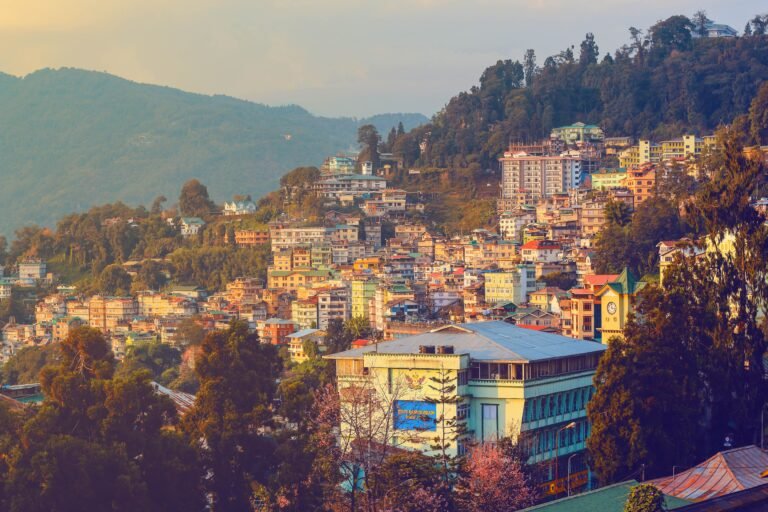
Perched amid the emerald hills of Sikkim, Gangtok blends Himalayan vistas, deep-rooted Buddhist culture, and a lively mountain-town vibe. This 4-day Gangtok itinerary covers the city’s highlights and the iconic high-altitude duo—Tsomgo (Changu) Lake and Nathula Pass—so you can balance scenic drives, monastery-hopping, local food, and leisurely strolls on MG Marg.
4-Day Gangtok Itinerary with Tsomgo Lake & Nathula Pass
Day 1: Arrive in Gangtok + MG Marg & Heritage Walk
- Arrive via Bagdogra/NJP/Pakyong and transfer to your hotel (drive 4–5 hours from Siliguri/NJP; 1–1.5 hours from Pakyong, subject to road conditions).
- Evening on MG Marg: pedestrian boulevard, cafés, bookshops, and bakeries. Perfect for acclimatizing and people-watching.
- Optional gentle sights (time permitting):
- Namgyal Institute of Tibetology & Do Drul Chorten – manuscripts, thangkas, and a serene stupa complex.
- Gangtok Ropeway – sunset views over the town and valley.
- Dinner: Try momos, thukpa, and local butter tea at a cozy eatery near MG Marg.
Day 2: Tsomgo Lake, Baba Mandir & Nathula Pass (High-Altitude Day)
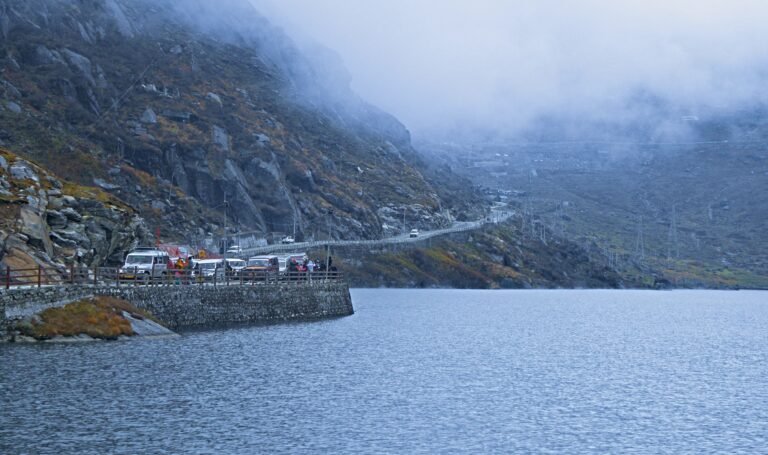
- Start early (7–8 AM). Drive time: ~2 hours to Tsomgo Lake (38 km). Expect winding mountain roads and dramatic views.
- Explore the glacial Tsomgo Lake (12,313 ft):
- Walk the lakeside, enjoy hot tea and local snacks.
- Pony/yak rides are available seasonally; carry cash.
- Continue to Baba Harbhajan Singh Mandir (Old/New Baba Mandir) for a cultural stop in the snow belt.
- Nathula Pass (14,140 ft):
- Border pass on the historic Silk Route; Indian nationals only with a special permit.
- Typically closed on Mondays & Tuesdays and during heavy snowfall; final access is weather/army dependent.
- Return to Gangtok by evening. Warm soup and an early night recommended.
- Notes: Dress in layers, carry gloves and a woollen cap even in summer. Altitude can cause shortness of breath; keep hydrated and avoid overexertion.
Day 3: Gangtok City Tour – Monasteries, Viewpoints & Waterfalls
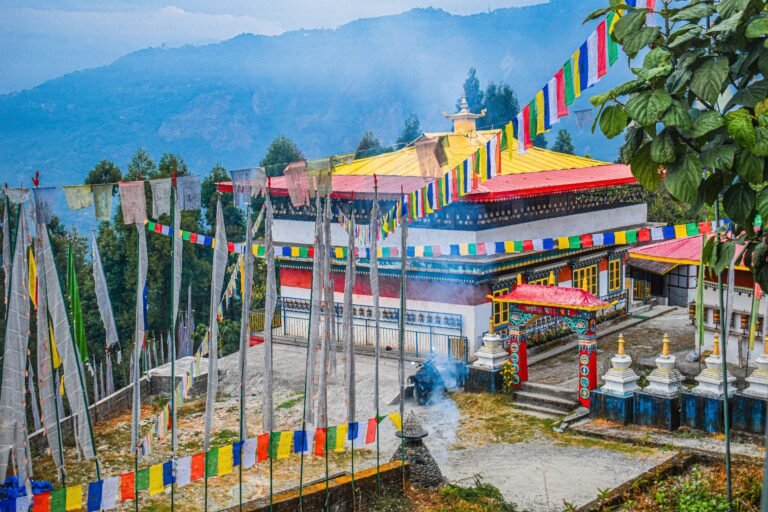
- Rumtek Monastery (24 km): Sikkim’s largest monastery; riveting murals, prayer wheels, and valley panoramas.
- Banjhakri Falls: Walkways, landscaped gardens, and a photogenic cascade.
- Hanuman Tok & Ganesh Tok: Iconic hilltop viewpoints; crisp Himalayan air and cityscapes.
- Enchey Monastery: Peaceful gompa amid deodars, known for masked dance festivals.
- Flower Exhibition Centre (seasonal orchids) & Directorate of Handicrafts & Handloom for local crafts.
- Evening free for café-hopping or a second ropeway ride if skies are clear.
Day 4: Soft Adventure & Leisure
- Sunrise at Tashi View Point (weather permitting) for Kanchenjunga glimpses.
- Paragliding (Reshithang/Baliman Dara) – tandem flights, best in clear weather (typically Oct–May).
- Teesta River Rafting (seasonal, mostly Oct–May): Half-day adventure on Grade II–III rapids; combine with a picnic by the riverside.
- Wrap up with last-minute shopping on MG Marg—tea, woollens, bamboo handicrafts, and local pickles.
Must-Visit Places in Gangtok
- MG Marg – the car-free heart of Gangtok.
- Rumtek Monastery – seat of the Karmapa, exquisite Buddhist art.
- Enchey Monastery – intimate, historic gompa.
- Hanuman Tok & Ganesh Tok – sweeping views, photogenic stops.
- Gangtok Ropeway – aerial perspective over the town and valley.
- Flower Exhibition Centre – seasonal orchids and blooms.
- Namgyal Institute of Tibetology & Do Drul Chorten – culture and heritage.
- Banjhakri Falls – landscaped leisure park with a major cascade.
- Himalayan Zoological Park – Himalayan fauna in semi-natural enclosures (time permitting).
Local Experiences: Food, Shopping, Culture
Food to Try
- Momos (steamed/fried), Thukpa, Phagshapa (pork with radish), Gundruk (fermented greens), Sikkimese nettle soup.
- Local beverages: Butter tea, tongba (millet-based; where licensed), organic Sikkim tea.
- Desserts/snacks: Sha phaley, churpi (hardened yak cheese), sel roti (Nepali-style ring bread).
Shopping
- Handwoven carpets, thangkas, prayer flags, wooden masks, bamboo crafts.
- Organic teas/spices, handcrafted soaps, local pickles and preserves.
- Best zones: MG Marg, Directorate of Handicrafts & Handloom (for authentic crafts).
Culture & Etiquette
- Dress modestly at monasteries; remove hats and shoes when entering prayer halls.
- Ask before photographing monks or prayer ceremonies.
- Sikkim is eco-conscious: avoid littering; single-use plastics are restricted in many areas.
Nearby Getaways from Gangtok
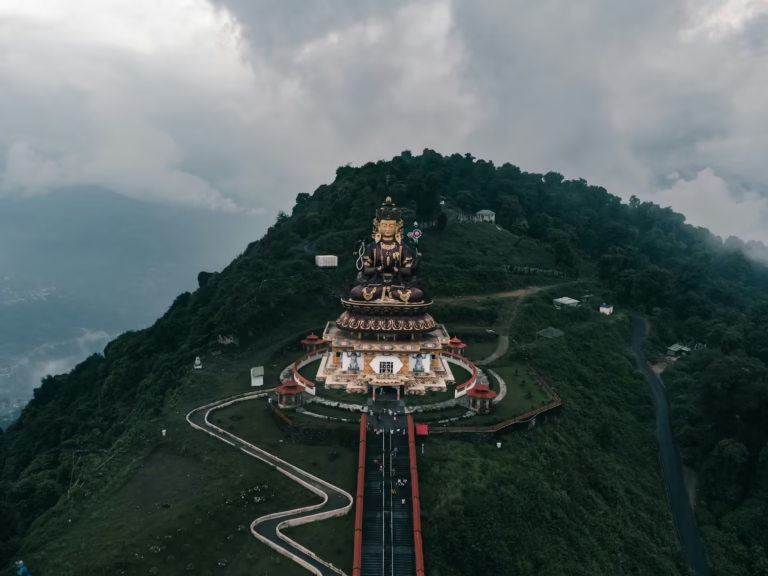
- Namchi & Ravangla (South Sikkim; 3–4 hours one way): Buddha Park (Ravangla), Samdruptse Hill, Siddhesvara Dham/Char Dham (Namchi).
- Pelling (West Sikkim; 4–5 hours): Skywalk, Pemayangtse Monastery, Rabdentse ruins, Kanchenjunga views.
- North Sikkim (ex-Gangtok overnight): Lachung–Yumthang Valley (spring blooms), Lachen–Gurudongmar Lake (very high altitude).
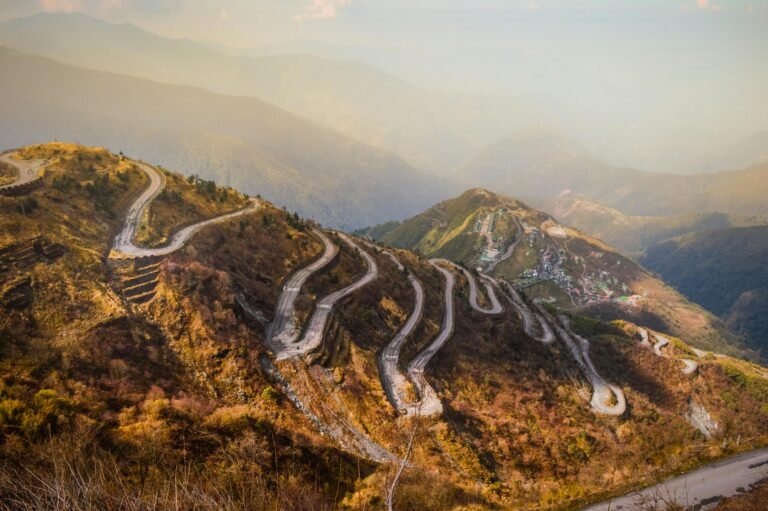
- East Sikkim Silk Route (Zuluk–Padamchen; 3–5 hours): Hairpin bends, old Silk Route panoramas—best as a separate 1–2 night trip.
Best Time to Visit
- Spring (Mar–May): Rhododendrons and orchids; pleasant days; popular for Tsomgo.
- Autumn (Oct–Dec): Clear skies, crisp views, ideal for day trips.
- Winter (Jan–Feb): Snow around Tsomgo/Nathula; possible road closures; very cold at high altitude.
- Monsoon (Jul–Sep): Frequent rain, fog, and potential landslides; travel disruptions possible.
How to Reach Gangtok
- By Air:
- Pakyong Airport (PYG): Closest (approx. 31 km), limited flights; weather-related cancellations possible.
- Bagdogra Airport (IXB): Major hub near Siliguri (125 km); 4–5 hours by road to Gangtok.
- By Train: New Jalpaiguri (NJP) is the nearest major railhead; shared cabs and private taxis available outside the station.
- By Road: From Siliguri/NJP via NH10 along the Teesta River; scenic but winding. Avoid late-night monsoon travel due to landslide risk.
- Helicopter (seasonal/subject to weather): Limited services have operated between Bagdogra and Gangtok; check latest schedules locally.
Permits for Tsomgo Lake & Nathula Pass
- Tsomgo Lake: Requires a permit for all non-local visitors (arranged by registered tour operators in Gangtok).
- Nathula Pass:
- Indian nationals only with a special permit; foreigners are not allowed to visit Nathula.
- Closed to tourists on Mondays & Tuesdays and during adverse weather.
- How to obtain: Provide a government-issued photo ID and two passport-size photos to a registered travel agent at least 24–48 hours prior.
- Indicative costs: Permit processing/handling typically INR 200–400 per person, plus vehicle charges (see costs section).
- Carry your original ID on the travel day; checkpoints enforce verification. Dress warmly and follow army/guide instructions.
Accommodation Options
- Best areas: MG Marg and nearby lanes (walkable dining/shopping), Development Area (quieter, view rooms), Tibet Road/Arithang (mid-range clusters).
- Budget (INR 1,200–2,500/night): Clean guesthouses and homestays; basic amenities.
- Mid-range (INR 3,000–6,000/night): Boutique hotels with view balconies, in-house cafés, heating on request.
- Luxury (INR 8,000–20,000+/night): Upscale suites, spa/sauna, curated dining, Kanchenjunga-facing rooms.
- Tip: In peak seasons (Apr–May, Oct–Nov), book well in advance; request rooms with heating and mountain views.
Estimated Trip Cost (4 Days)
Approximate, per couple, excluding flights/trains. Prices fluctuate by season and availability.
- Accommodation (3 nights):
- Budget: INR 4,000–7,500
- Mid-range: INR 9,000–18,000
- Luxury: INR 24,000–60,000+
- Local transport & sightseeing:
- Gangtok city tour (full-day private cab): INR 2,500–3,500
- Tsomgo–Baba Mandir–Nathula (private SUV): INR 5,000–7,500 + permits
- Shared seat to Tsomgo/Baba Mandir (without Nathula; seasonal): INR 900–1,500 per person
- Permits/entries:
- Permits: ~INR 200–400 per person
- Entry fees (museums/parks/ropeway): INR 500–1,000 total
- Meals: INR 800–1,800 per person per day depending on dining style.
- Activities:
- Paragliding (tandem): INR 3,000–5,000 per person (route/duration dependent)
- Teesta rafting: INR 800–1,500 per person (group size/section dependent)
Ballpark total (couple, 4 days):
Budget: INR 15,000–28,000 | Mid-range: INR 28,000–55,000 | Luxury: INR 65,000–1,10,000+
Travel Tips for Gangtok & High-Altitude Excursions
- Altitude & health: Nathula is above 14,000 ft; move slowly, keep warm, avoid alcohol, and carry basic AMS medication if advised by a doctor.
- Clothing: Layer up. Essential: thermal innerwear, fleece/down jacket, gloves, woollen cap, warm socks, sunglasses, sunscreen, lip balm.
- Cash & connectivity: ATMs are available in Gangtok; carry cash for high-altitude stops. Mobile data can be patchy beyond Gangtok; BSNL often has the widest coverage in remote zones.
- Road conditions: Mountain roads are winding; keep motion-sickness meds. In monsoon/winter, check the latest advisories before long drives.
- Eco practices: Sikkim restricts single-use plastics; carry a refillable bottle and keep trash with you until proper disposal.
- Respect local norms: Quiet inside monasteries; no smoking/alcohol near sacred sites.
- Timing: Start early for Tsomgo/Nathula; weather usually worsens by afternoon and permits have time windows.
Traveler-Specific Tips
Families
- Choose central hotels near MG Marg for easy stroller-friendly walks and dining.
- Carry snacks, thermals for kids, and motion-sickness remedies.
- At high altitude, keep outdoor exposure short and warm; skip Nathula with toddlers or if anyone shows AMS symptoms.
Honeymooners
- Book a view room with balcony/heating; plan a sunset ropeway ride or a candle-lit dinner in town.
- Consider a photoshoot at Hanuman Tok/Tashi View Point early morning for soft light and minimal crowds.
- Carry moisturizers and lip care—mountain air can be very dry.
Friends/Backpackers
- Shared jeeps/cabs reduce costs; ask locally about seat-share options to Tsomgo (Nathula often requires a reserved vehicle).
- Try homestays for stories around the hearth and local food.
- Pack a lightweight rain shell, power bank, and headlamp; weather and power can be unpredictable.
FAQs
Q: Is Nathula Pass open year-round?
A: Access depends on weather and security. It is typically closed to tourists on Mondays and Tuesdays and may shut during heavy snowfall or landslides. Always confirm locally a day in advance.
Q: Can foreigners visit Nathula Pass?
A: No. Nathula Pass access is restricted to Indian nationals with a special permit. Foreigners can visit Tsomgo Lake with the appropriate permit arranged by a registered operator.
Q: How cold does it get at Tsomgo Lake?
A: Even in summer, temperatures can be near freezing early morning and evening. In winter, sub-zero temperatures and snow are common. Dress in warm layers and windproof outerwear.
Q: What if I feel altitude sickness?
A: Descend to a lower altitude, rest, and hydrate. Avoid alcohol and exertion. If symptoms persist or worsen (severe headache, nausea, dizziness), seek medical assistance promptly.
Q: Are there ATMs and network coverage at high-altitude stops?
A: ATMs are in Gangtok, not at Tsomgo/Nathula. Mobile networks can be unreliable in the high mountains; BSNL may have comparatively better coverage, but do not rely on it.
Conclusion
This 4-day Gangtok itinerary blends slow-travel moments on MG Marg with the high-altitude thrill of Tsomgo Lake and Nathula Pass. Between monasteries and mountain viewpoints, hearty local fare and eco-conscious practices, you’ll experience Sikkim’s alpine beauty and culture at a comfortable pace while staying practical about permits, weather, and road conditions.