Table of Contents
- Why Tea Garden Stays in Darjeeling Are Special
- Best Time to Visit
- Top Things to Do
- How to Reach
- Accommodation Options and Estimated Costs
- Local Food, Culture, and Shopping
- Nearby Attractions
- Travel Tips for Different Travelers
- FAQs
- Conclusion
Why Tea Garden Stays in Darjeeling Are Special
Few travel experiences in India feel as peaceful and memorable as staying inside or beside a tea garden in Darjeeling. Wrapped in mist, rolling green slopes, colonial-era charm, and the fragrance of fresh tea leaves, these stays offer a quieter, more intimate side of the hill station.
Darjeeling’s tea gardens are not just scenic backdrops; they are part of the region’s identity. Many estates date back to the British era and helped shape Darjeeling into one of the world’s most celebrated tea-producing regions. A tea garden stay gives you a chance to slow down, wake up to mountain views, walk through plantations, and experience local life at a gentler pace.
Whether you choose a heritage bungalow, a boutique estate stay, or a homestay near a plantation, the appeal is the same: fresh air, warm hospitality, and a landscape that changes beautifully with the light.
What Makes It Worth It
- Panoramic views of tea-covered hills and the Himalayas on clear mornings
- Direct access to tea estate walks and plantation experiences
- A quieter alternative to staying in the busiest parts of Darjeeling town
- Fresh local food, often cooked with home-style simplicity
- A chance to learn how tea is plucked, processed, and brewed
Best Time to Visit
Darjeeling is beautiful year-round, but the best time for a tea garden stay depends on the kind of experience you want.
March to May
This is one of the best seasons for tea garden stays. The weather is pleasant, flowers are in bloom, and the first flush tea season begins. The hills look fresh and green, and outdoor walks are especially enjoyable.
October to December
Clear skies, crisp air, and long-distance mountain views make this another excellent window. If you want postcard-style Himalayan scenery, this is often the best time.
June to September
The monsoon turns the landscape into a lush green paradise, but heavy rain can affect road travel and visibility. This season is ideal for travelers who enjoy misty, romantic weather and do not mind occasional delays.
January to February
Winter brings cold mornings, low crowds, and a cozy atmosphere. Some days may offer excellent views, though the weather can be chilly and foggy.
Top Things to Do
Tea garden stays are best enjoyed slowly. The real charm lies in the everyday rhythm of the hills.
1. Take a Guided Tea Estate Walk
Walk through the plantation with a local guide or estate staff member. You can learn about tea bushes, plucking methods, seasonal harvests, and the difference between first flush and second flush tea.
2. Watch the Sunrise Over the Himalayas
If your stay has an eastern-facing view, wake up early for sunrise. On a clear day, the mountains glow gold and pink, creating one of Darjeeling’s most unforgettable moments.
3. Sip Fresh Darjeeling Tea
There is something deeply satisfying about drinking tea where it is grown. Many tea garden stays serve freshly brewed tea with breakfast, afternoon snacks, or evening conversations by the window.
4. Enjoy Slow Mountain Living
Read a book, take long walks, photograph the landscape, or simply enjoy the sound of wind through tea leaves. A tea garden stay is ideal for travelers who want rest more than rush.
5. Visit a Tea Factory
If your accommodation is near an operational estate, you may be able to visit a tea factory to see withering, rolling, fermenting, drying, and sorting processes in action. It is especially interesting for tea lovers.
6. Photograph the Landscape
Early mornings and late afternoons are perfect for photography. Mist, sunlight, rows of tea bushes, and distant peaks create beautiful natural compositions.
How to Reach
Darjeeling is accessible by air, rail, and road, though the final stretch into the hills takes time. Tea garden stays are usually reached after arriving in Darjeeling town or nearby hill areas.
By Air
The nearest airport is Bagdogra Airport, around 70–80 km away from Darjeeling, depending on the route and estate location. From the airport, you can hire a private taxi or shared vehicle.
By Train
The nearest major railhead is New Jalpaiguri (NJP). From NJP, travelers usually take a taxi, shared jeep, or reserved car to Darjeeling.
By Road
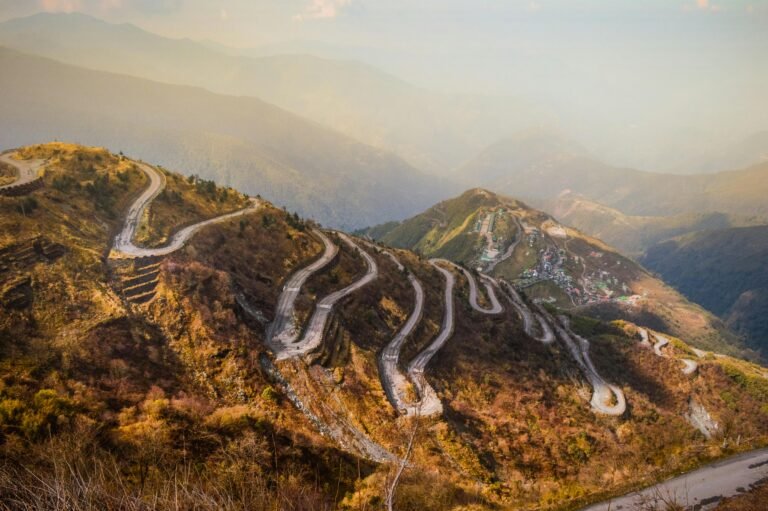
Darjeeling is well connected by road from Siliguri, Kurseong, and nearby towns. The hill drive includes winding roads, so it is best to allow extra travel time, especially during monsoon or foggy weather.
Local Transfer Tips
- Confirm whether your stay provides pickup from Darjeeling town or a nearby point
- Keep buffer time for mountain road delays
- If traveling in a group, pre-book a private car for convenience
- For remote estates, ask in advance about road conditions and vehicle accessibility
Accommodation Options and Estimated Costs
Tea garden stays in Darjeeling range from simple homestays to elegant heritage bungalows. The right choice depends on your budget, privacy preference, and the kind of atmosphere you want.
Types of Stays
- Heritage tea bungalows: Best for travelers who enjoy colonial charm, spacious rooms, and classic hill-station ambiance
- Boutique estate stays: Ideal for couples and comfort-focused travelers looking for stylish rooms and scenic settings
- Homestays near tea gardens: Great for budget-conscious travelers who want authentic local hospitality
- Eco-lodges and plantation retreats: Suitable for nature lovers seeking a quieter, more sustainable stay
Estimated Cost Range
- Budget homestays: INR 1,500 to INR 3,500 per night
- Mid-range boutique stays: INR 4,000 to INR 8,000 per night
- Premium heritage or luxury stays: INR 9,000 to INR 25,000+ per night
What Usually Affects the Price
- View of the tea garden or mountains
- Meal inclusion and guided experiences
- Property age and heritage value
- Season, especially during peak spring and autumn months
- Accessibility and distance from Darjeeling town
Local Food, Culture, and Shopping
A tea garden stay becomes even richer when paired with Darjeeling’s local flavors and culture. The region is home to Nepali, Tibetan, Lepcha, and Bengali influences, which show up in everyday life, language, festivals, and food.
What to Eat
- Momos: Steamed dumplings filled with vegetables, chicken, or pork
- Thukpa: A hearty noodle soup, especially comforting in cold weather
- Sael roti: A traditional ring-shaped rice bread often enjoyed with chutney or curry
- Gundruk: Fermented leafy greens, common in local cuisine
- Darjeeling tea: Best enjoyed fresh, simple, and unsweetened
Cultural Experiences
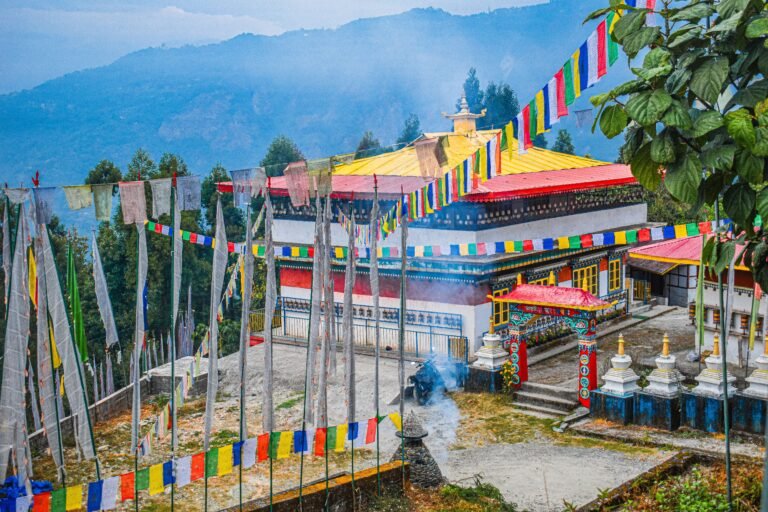
Darjeeling’s culture is relaxed yet vibrant. You may notice prayer flags, Buddhist monasteries, colonial-era architecture, and local festivals depending on the season. Many tea garden communities are close-knit, and a respectful conversation with staff or residents can offer wonderful insights into hill life.
Shopping Ideas
- Premium Darjeeling tea packs from estate outlets
- Handmade woollens and scarves
- Local jams, honey, and preserves
- Small handicrafts and souvenirs from town markets
Nearby Attractions
Most tea garden stays in Darjeeling can be combined with classic sightseeing. Depending on where your estate is located, these attractions are often easy to include in your itinerary.
Popular Nearby Places
- Tiger Hill: Famous for sunrise views over Kanchenjunga and, on clear days, even glimpses of Everest
- Batasia Loop: A scenic railway loop with mountain views and a landscaped garden
- Happy Valley Tea Estate: One of the best-known tea estates for understanding tea production
- Darjeeling Himalayan Railway: A UNESCO-listed toy train experience
- Peace Pagoda: A calm spot for reflection and panoramic views
- Padmaja Naidu Himalayan Zoological Park: Known for high-altitude wildlife conservation
- Himalayan Mountaineering Institute: A fascinating stop for adventure and mountaineering history
Short Getaways Beyond Darjeeling Town
- Kurseong: A quieter hill town with tea gardens and a laid-back feel
- Mirik: Known for its lake, pine forests, and peaceful atmosphere
- Kalimpong: Great for travelers who want gardens, monasteries, and a gentler pace
Travel Tips for Different Travelers
Tea garden stays suit many kinds of travelers, but a little planning makes the experience smoother and more enjoyable.
For Families
- Choose a stay with easy road access and open outdoor space
- Check for family rooms, hot water, and reliable meals
- Pack warm layers for children, even in summer evenings
- Plan a slower itinerary with fewer long road trips
For Honeymooners
- Select a property with private views, fireplace-style comfort, or balcony seating
- Book in spring or autumn for the best weather and scenery
- Ask for candlelight dinners or tea-tasting experiences if available
- Choose a quieter estate away from the busiest town center
For Friends and Small Groups
- Look for stays with shared lounges or larger cottages
- Pre-book transport for sightseeing and airport transfers
- Carry cash for small purchases in remote areas
- Plan flexible timings, especially during the rainy season
Packing and Safety Tips
- Carry warm clothing, a rain jacket, and comfortable walking shoes
- Pack motion sickness medicine if you are sensitive to winding roads
- Keep a power bank, flashlight, and basic medicines
- Respect tea plantation rules and avoid entering work areas without permission
- Stay cautious on slippery paths during mist or rain
FAQs
Q: Are tea garden stays in Darjeeling suitable for first-time visitors?
A: Yes. They are a wonderful choice for first-time visitors who want scenic views, calm surroundings, and a more immersive hill-station experience than a standard town hotel.
Q: What is the best season for a tea garden stay in Darjeeling?
A: March to May and October to December are usually the best periods for pleasant weather, tea estate walks, and clearer mountain views.
Q: How much does a tea garden stay in Darjeeling cost?
A: Budget stays can start around INR 1,500 per night, mid-range boutique stays often range from INR 4,000 to INR 8,000, and premium heritage stays may go above INR 9,000 per night.
Q: Are tea garden stays good for families with children?
A: Yes, especially if you choose a stay with easy access, open space, and family-friendly meals. It is best to avoid very remote properties during heavy monsoon months.
Q: Can I visit a tea factory during my stay?
A: In many cases, yes. Some estates and nearby tea gardens allow factory visits or guided tea-processing tours, though availability depends on the property and season.
Conclusion
Tea garden stays in Darjeeling offer a rare combination of scenery, serenity, and local character. From misty plantation walks and fresh cups of tea to nearby viewpoints, heritage sights, and comforting mountain food, the experience captures the quieter soul of the hills. For travelers who want more than a standard hotel stay, a tea garden retreat in Darjeeling is one of the most rewarding ways to enjoy the region.