Table of Contents
- Introduction
- Darjeeling Weather in July
- Must-Visit Places in Darjeeling
- Local Culture, Food, and Shopping
- Nearby Getaways
- How to Reach Darjeeling
- Accommodation Options and Estimated Costs
- Travel Tips for Families, Honeymooners, and Friends
- FAQs
- Conclusion
Introduction
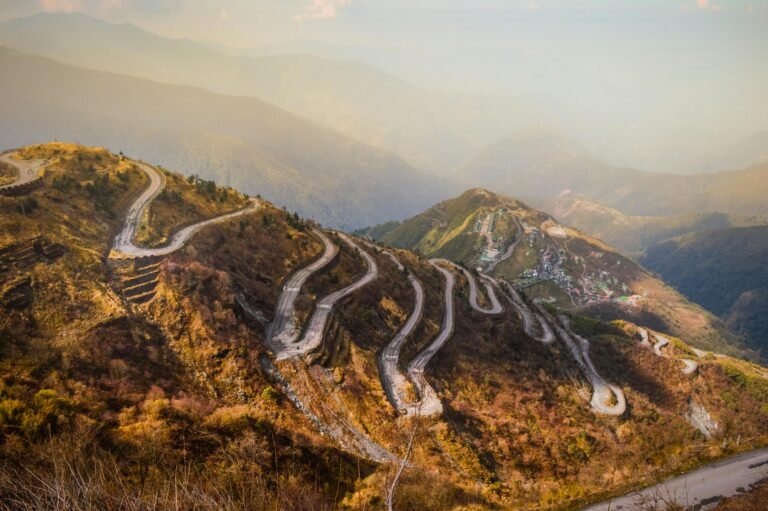
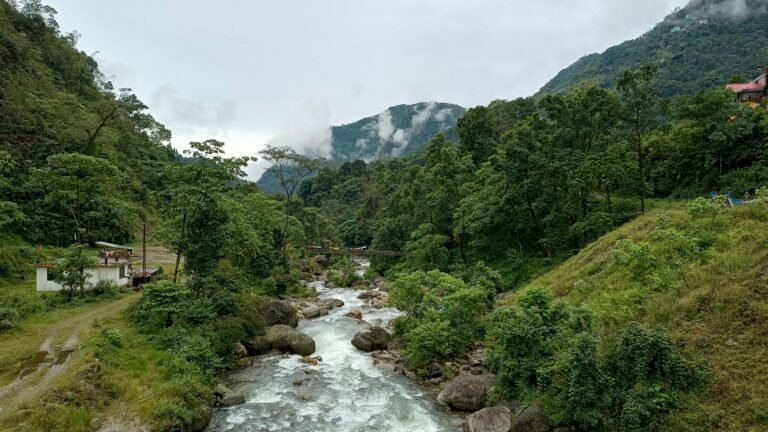
Darjeeling in July has a charm that feels almost cinematic. The tea gardens are lush and deep green, the hills are wrapped in mist, and the town slows down into a calm monsoon rhythm. If you love mountain scenery, cozy cafés, fresh tea, and a little rain-soaked adventure, July can be a beautiful time to experience Darjeeling.
This month is not the driest or easiest for sightseeing, but it is one of the most atmospheric. The rains bring out the best in the landscape, and the town feels more intimate than crowded peak-season months. A smart itinerary, flexible timing, and proper rain gear can make a July trip to Darjeeling truly memorable.
Darjeeling Weather in July
July is monsoon season in Darjeeling. Expect frequent rain, cloudy skies, misty views, and cooler temperatures than the plains.
What the weather is usually like
- Temperature: Around 13°C to 19°C, though it can feel cooler with rain and wind.
- Rainfall: High, with sudden showers and long wet spells.
- Visibility: Often low in the morning and evening due to fog and mist.
Why July can still be a good time
- The tea gardens look fresh and vibrant after the rains.
- Popular viewpoints are quieter than in peak tourist months.
- The town has a relaxed, romantic mood that suits slow travel.
- You can enjoy cozy indoor experiences like tea tasting, cafés, and local food.
If your main goal is crystal-clear Himalayan views, July may not be ideal. But if you enjoy monsoon landscapes, peaceful streets, and a soft mountain atmosphere, it is a rewarding month to visit.
Must-Visit Places in Darjeeling
Monsoon travel in Darjeeling works best when you mix a few iconic outdoor spots with indoor or semi-covered experiences. Keep plans flexible, because visibility and road conditions can change quickly.
1. Darjeeling Himalayan Railway
The Toy Train is one of Darjeeling’s most famous experiences and a UNESCO World Heritage treasure. In July, schedules may be affected by weather, so check timings in advance.
2. Batasia Loop
This scenic railway loop offers beautiful views when the weather clears. Even in mist, the landscaped gardens and hill setting make it worth a stop.
3. Tiger Hill
Tiger Hill is famous for sunrise views of Kanchenjunga, but July often brings clouds and low visibility. Visit only if weather conditions look favorable, and be ready for a very early start.
4. Peace Pagoda
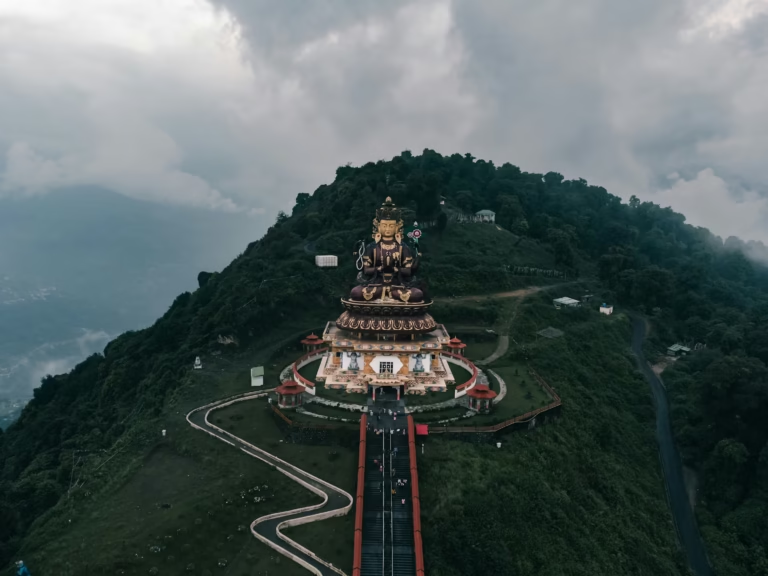
A calm and spiritually uplifting stop, the Peace Pagoda is ideal for a quieter monsoon visit. The surroundings are serene, and the atmosphere is especially soothing in the rain.
5. Happy Valley Tea Estate
This is one of the best places to experience Darjeeling’s tea culture. Even if the views are misty, the tea factory visit and tea tasting are excellent rainy-day activities.
6. Mall Road and Chowrasta
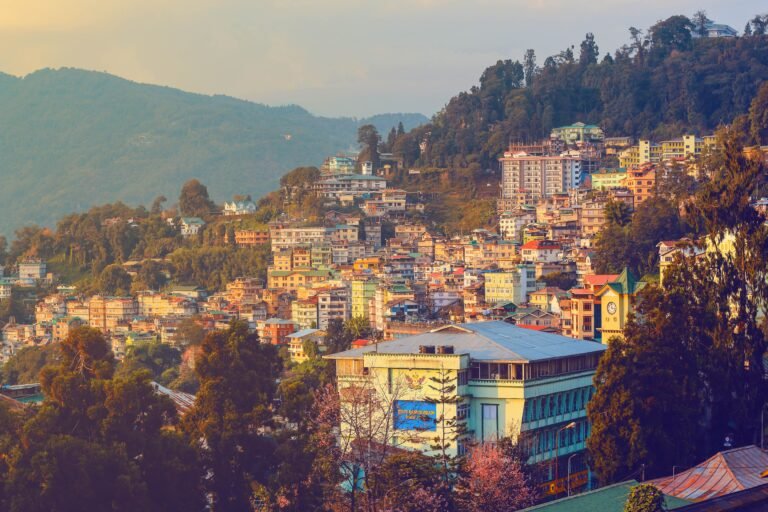
The heart of the town, Chowrasta is where you can walk, sip tea, browse shops, and watch local life unfold. Carry an umbrella and avoid slippery sections after heavy rain.
7. Japanese Temple and Peaceful Walks
For visitors who enjoy quiet corners, the Japanese Temple area offers a reflective, low-key experience. It is a good stop when you want a break from crowds.
8. Himalayan Mountaineering Institute and Padmaja Naidu Himalayan Zoological Park
These are great for families and those interested in mountaineering history or Himalayan wildlife. Check opening hours, as monsoon conditions may affect access to some areas.
Local Culture, Food, and Shopping
One of the best ways to enjoy Darjeeling in July is to slow down and lean into the local lifestyle. The rain invites long meals, tea breaks, and unhurried walks through town.
Local culture
- Darjeeling reflects a blend of Nepali, Tibetan, Bengali, and local hill cultures.
- Tea is not just a drink here; it is part of daily life and local identity.
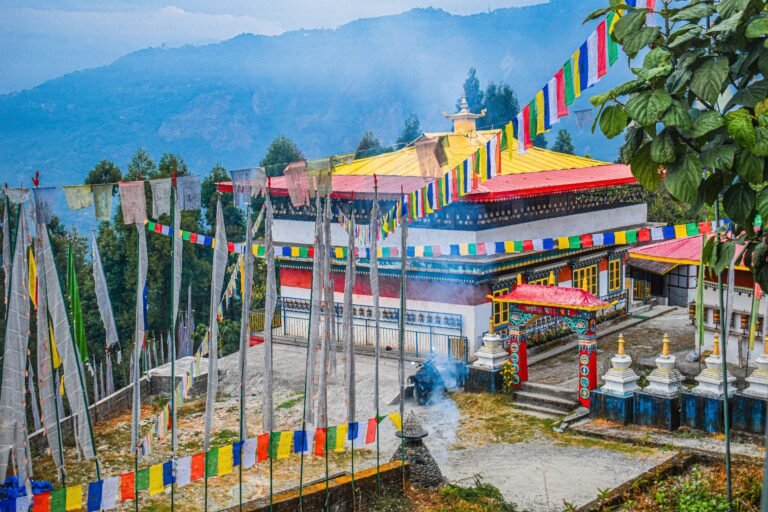
- Monasteries, prayer flags, and small hill-town rituals add to the town’s character.
What to eat
- Momos: Steamed or fried, often enjoyed with spicy chutney.
- Thukpa: A warming noodle soup, perfect for rainy weather.
- Churpi: Local Himalayan cheese, often sold in shops and markets.
- Darjeeling tea: Fresh, fragrant, and best enjoyed in the monsoon mist.
- Sel roti and local snacks: Great for a quick breakfast or tea-time bite.
Shopping ideas
- Packaged Darjeeling tea from reputed tea shops or estates.
- Warm woollens, scarves, and caps for hill weather.
- Handmade souvenirs, prayer items, and small local crafts.
- Traditional snacks and pickles, if available from trusted vendors.
Best monsoon food experience
A warm bowl of thukpa, a plate of momos, and a cup of freshly brewed Darjeeling tea can turn a rainy afternoon into one of the most memorable parts of the trip.
Nearby Getaways
If you have extra time and the weather is on your side, you can explore a few nearby places around Darjeeling. In July, road conditions can be affected by rain, so always check local updates before traveling.
1. Ghoom
Just a short distance from Darjeeling town, Ghoom is known for its monastery and railway station. It is a convenient half-day outing.
2. Kurseong
Often called the “Land of White Orchids,” Kurseong is another scenic hill town with tea gardens and a gentler pace.
3. Mirik
Mirik is known for Sumendu Lake and peaceful surroundings. It can be a pleasant detour, especially if road conditions remain stable.
4. Lepchajagat
A quiet forested escape, Lepchajagat is ideal for travelers who want solitude and a misty mountain setting.
5. Lamahatta
Known for its nature trails and landscaped viewpoints, Lamahatta is best visited when roads are safe and weather is manageable.
Important note: During July, landslides and roadblocks can happen in hill areas. Keep one buffer day in your itinerary if you plan to include nearby excursions.
How to Reach Darjeeling
Darjeeling is usually reached via Bagdogra or New Jalpaiguri, followed by a road journey up the hills. In monsoon months, leave extra time for possible delays.
By air
The nearest airport is Bagdogra Airport, which connects to major Indian cities. From there, Darjeeling is typically reached by taxi or shared vehicle.
By train
The nearest major railhead is New Jalpaiguri (NJP). From NJP, travelers usually continue by road to Darjeeling. The Darjeeling Himalayan Railway is a special experience, but monsoon disruptions can affect schedules.
By road
Regular taxis and shared vehicles operate from Siliguri, NJP, and Bagdogra toward Darjeeling. The drive is scenic, but in July it may be slow because of rain and landslide-prone stretches.
Monsoon travel tip
Start early, travel in daylight, and keep your transport flexible. In July, it is wiser to reach Darjeeling before dark whenever possible.
Accommodation Options and Estimated Costs
Darjeeling offers stays for every type of traveler, from budget guesthouses to boutique hill-view hotels. In July, you may find better room availability than in peak holiday months.
Where to stay
- Budget stays: Guesthouses, homestays, and simple lodges near central areas.
- Mid-range hotels: Comfortable rooms with basic amenities and tea or valley views.
- Luxury or boutique stays: Heritage-style or premium properties with better service and scenic settings.
Estimated costs per day
- Budget traveler: ₹1,500 to ₹3,000 per person, including stay, food, and local transport.
- Mid-range traveler: ₹4,000 to ₹8,000 per person, depending on hotel choice and transport.
- Comfort/luxury traveler: ₹10,000 and above per person, especially for premium rooms and private transfers.
What affects the budget in July
- Private taxis cost more than shared vehicles.
- Rain-related delays may increase local transport time and expense.
- Hotels with better views may be more desirable, even if views are misty rather than clear.
Travel Tips for Families, Honeymooners, and Friends
Darjeeling in July can be enjoyable for different kinds of travelers, but the planning style should change depending on the group.
For families
- Choose centrally located stays to reduce travel time in rain.
- Keep sightseeing light and avoid overscheduling.
- Carry snacks, medicines, and a small first-aid kit.
- Plan indoor-friendly stops like tea estates, cafés, and museums.
For honeymooners
- Pick a cozy hotel with a view, balcony, or fireplace-style atmosphere if available.
- Keep at least one slow day for tea, walks, and a private meal.
- Monsoon mist can be romantic, but photo visibility may be limited.
- Book flexible plans in case rain changes the route or timing.
For friends
- Mix café hopping, short sightseeing, and local food stops.
- Carry rain protection so you can still explore comfortably.
- Keep your transport plan flexible for spontaneous detours.
- Do not depend too heavily on sunrise or long-distance viewpoint days.
Packing tips for July
- Waterproof jacket or poncho
- Compact umbrella
- Quick-dry clothes
- Warm layers for cool evenings
- Non-slip shoes with good grip
- Power bank and sealed bag for electronics
Safety guidance
- Avoid isolated routes during heavy rain.
- Check landslide and road updates before leaving for day trips.
- Walk carefully on wet stone paths and stairways.
- Keep buffer time for transport delays.
FAQs
Q: Is July a good time to visit Darjeeling?
A: Yes, if you enjoy monsoon scenery, misty hills, and fewer crowds. July is not ideal for guaranteed mountain views, but it is excellent for tea gardens, cozy food experiences, and a quieter atmosphere.
Q: Can I see Kanchenjunga from Darjeeling in July?
A: It is possible, but not likely on most days because of cloud cover and rain. Clear views are much more common in the pre-monsoon or autumn months.
Q: What should I pack for Darjeeling in July?
A: Pack a raincoat or poncho, umbrella, warm layers, quick-dry clothes, sturdy shoes, and a waterproof cover for your phone and camera.
Q: Are toy train rides available in July?
A: They may be available, but monsoon weather can affect schedules and operations. It is best to confirm timings locally before planning around the ride.
Q: What are the best things to do in Darjeeling during rain?
A: Visit tea estates, enjoy local food, explore cafés, walk around Chowrasta when the weather is manageable, and visit cultural or historical spots that do not depend heavily on clear skies.
Conclusion
Darjeeling in July is all about mood, mist, and mountain calm. While the monsoon can hide the farthest views, it also reveals a softer, greener, more intimate side of the town. Tea gardens look fresher, cafés feel cozier, and the whole hill station moves at a gentler pace.
If you plan carefully, keep your itinerary flexible, and pack for rain, a July trip to Darjeeling can be peaceful, scenic, and deeply memorable. It is a destination that rewards slow travel and welcomes visitors who appreciate the beauty of the hills in monsoon light.