Table of Contents
- Introduction: Darjeeling Sightseeing Guide for First-Time Travellers
- Must-Visit Places in Darjeeling
- Local Culture, Food, and Shopping
- Nearby Getaways from Darjeeling
- How to Reach Darjeeling
- Where to Stay: Areas and Budgets
- Estimated Trip Costs
- Best Time to Visit and Weather
- Suggested 2–3 Day Itinerary
- Travel Tips for First-Time Travellers
- FAQs about Darjeeling
- Conclusion
Introduction: Darjeeling Sightseeing Guide for First-Time Travellers
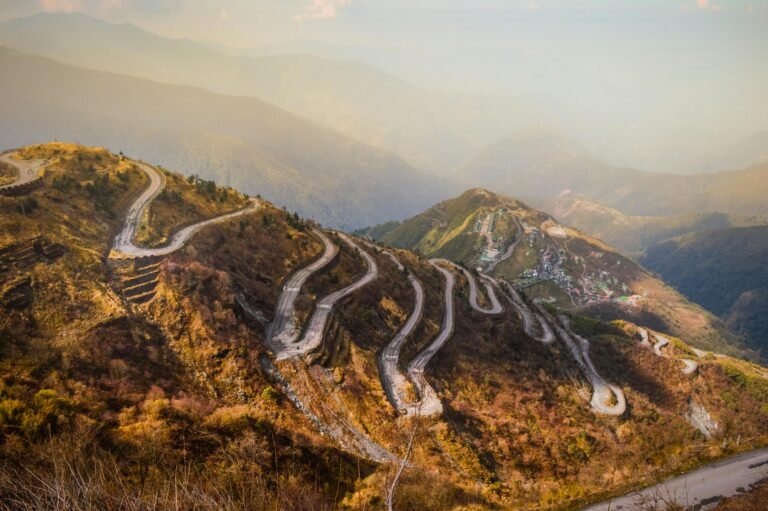
Perched at around 2,042 m in the Eastern Himalayas, Darjeeling blends British-era charm with Himalayan vistas, emerald tea gardens, and a rhythm set by the Darjeeling Himalayan Railway. This first-timer’s sightseeing guide distills the must-see viewpoints, heritage stops, and local flavors—plus practical logistics—so you can plan confidently and make the most of every misty morning and golden sunset.
Must-Visit Places in Darjeeling
Tiger Hill Sunrise
Watch the first light kiss Kanchenjunga, and on very clear days, glimpse Everest. Arrive well before sunrise; winter and post-monsoon months offer the best clarity.
- Timing: Pre-dawn to sunrise
- Tip: Book a cab the evening prior; carry a warm layer even in summer.
Batasia Loop and War Memorial
A photogenic spiral of the UNESCO-listed Darjeeling Himalayan Railway (DHR) with panoramic views. The landscaped gardens and memorial offer a serene pause.
Darjeeling Himalayan Railway (Toy Train) Joyride
A 2-hour Darjeeling–Ghum–Darjeeling loop with a stop at Batasia Loop. Steam services are iconic; diesel is more affordable.
Padmaja Naidu Himalayan Zoological Park & Himalayan Mountaineering Institute (HMI)
India’s highest-altitude zoo known for red pandas and snow leopards. The adjoining HMI museum chronicles Himalayan climbing history.
Japanese Peace Pagoda & Nipponzan Myohoji Temple
A calm hilltop space with sweeping views and rhythmic drum prayers. Ideal for a mid-morning visit.
Chowrasta (Mall Road) & Observatory Hill/Mahakal Temple
Stroll the pedestrian plaza, browse bookshops, and circle Observatory Hill to the Mahakal Temple. Sunset light over the ridge is lovely.
Tea Gardens and Factory Tours
Visit Happy Valley Tea Estate or nearby estates for plucking-season walks and tastings. Learn how “Champagne of Teas” is processed.
Darjeeling Ropeway (Rangeet Valley Cable Car)
Glides over tea gardens with valley views. Lines get long on weekends; go early.
Monasteries: Ghum Monastery (Samten Choeling) & Bhutia Basti
Discover thangkas, prayer wheels, and quiet courtyards that speak to Darjeeling’s Tibetan and Nepali heritage.
Rock Garden & Ganga Maya Park
Terraced gardens, small waterfalls, and picnic spots a short drive downhill from town.
Local Culture, Food, and Shopping
Culture Snapshot
Darjeeling’s identity flows from Gorkha, Lepcha, Bhutia, Tibetan, and Bengali influences. Festivities like Losar, Dasain, and Tihar light up the calendar. English is widely understood in tourist areas; Nepali is the local lingua franca.
What to Eat
- Steamed momos and hearty thukpa
- Nepali thali (gundruk, daal-bhat, tarkari)
- Churpee (local cheese), kinema (fermented soy), niguru (fiddlehead ferns in season)
- Freshly baked treats at heritage bakeries; sip single-origin Darjeeling tea
Where to Eat (Popular Spots)
- Heritage cafes and bakeries around Chowrasta/Mall Road
- Family-run Nepali eateries near Gandhi Road and Bhutia Basti
- Tea lounges attached to estates or boutique stores
Shopping Guide
- Tea: Buy vacuum-packed first or second flush from reputable outlets.
- Woolens and shawls: Look for pure wool and local weaves.
- Tibetan handicrafts, prayer flags, thangkas, and curios around Chowk Bazaar and Nehru Road.
- Organic spices, preserves, and locally made chocolates.
Nearby Getaways from Darjeeling
- Kalimpong (2–2.5 hours): Colonial schools, cacti nurseries, Deolo Hill views.
- Kurseong (1.5–2 hours): Quiet tea gardens, Dow Hill forests, charming DHR stations.
- Mirik (2–2.5 hours): Sumendu Lake walks, orange orchards in season.
- Lamahatta, Tinchuley, Takdah (1–2 hours): Village stays, forest hikes, offbeat tea circuits.
- Manebhanjan & Sandakphu (3–6 hours with 4×4): Gateway to Singalila ridge views of four 8,000ers. Permits and jeep booking required for Singalila National Park.
- Lepchajagat (45–60 minutes): Birding and silent pine forests.
How to Reach Darjeeling
By Air
- Nearest airport: Bagdogra (IXB), ~70 km; 3–4 hours by road to Darjeeling.
- Transfers: Prepaid taxis from airport; shared jeeps are cheaper from Siliguri stands.
By Train
- Nearest major railhead: New Jalpaiguri (NJP), ~75 km; connects to Kolkata, Delhi, Guwahati, etc.
- From NJP/Siliguri: Road transfer to Darjeeling or take the DHR (slow but scenic; check schedules).
By Road
- Routes: NH110 via Kurseong; alternative via Rohini Road or Pankhabari (steeper).
- Travel time: 3–4 hours depending on traffic and weather.
- Monsoon caution: Landslides can cause delays; start early and keep buffer time.
Local Transport & Sightseeing Circuits
- Local taxis and shared jeeps are common; agree on fares beforehand.
- Standard “7/8/10-point tours” cover popular clusters (Tiger Hill circuit, zoo/HMI, monasteries, ropeway).
- Walking-friendly core around Chowrasta; many lanes are steep—comfortable shoes are essential.
Where to Stay: Areas and Budgets
Best Areas
- Chowrasta/Mall Road: Central, walkable, heritage hotels and cafes.
- Gandhi Road/Lebong Cart Road: Good mix of budget to mid-range, easy taxi access.
- Near Tea Estates (outskirts): Boutique stays with immersive tea experiences and views.
Typical Price Ranges (Per Night)
- Budget guesthouses/hostels: INR 800–2,000
- Mid-range hotels/heritage stays: INR 2,000–6,000
- Premium resorts/tea bungalows: INR 7,000–20,000+
Note: Prices vary by season; book early for October–November and March–May.
Estimated Trip Costs
Daily Budget Estimates (Per Person)
- Backpacker: INR 2,000–3,500 (shared jeeps, local eateries, budget rooms)
- Comfort/Mid-range: INR 4,500–8,000 (private taxis, cafes, mid-range stays)
- Premium: INR 10,000+ (private sightseeing, premium dining, boutique stays)
Common Ticket and Activity Costs (Approx.)
- DHR Joyride (Darjeeling–Ghum–Darjeeling): Diesel INR ~1,000; Steam INR ~1,500–1,800
- Padmaja Naidu Zoo & HMI combo: INR ~100–200
- Tiger Hill viewpoint entry/parking: INR ~20–60
- Ropeway: INR ~250–350 one round
- Tea estate factory tour/tasting: INR ~200–500
All prices are indicative and subject to change; check latest rates and timings locally or online.
Best Time to Visit and Weather
- October–December: Crisp skies, best mountain views; cool to cold nights.
- March–May: Pleasant spring with rhododendrons; good visibility early mornings.
- January–February: Cold but crowd-free; carry heavy layers.
- June–September: Monsoon; lush landscapes but frequent rain and possible landslides.
Temperatures range roughly 5–18°C across seasons; nights are cooler. Layer up year-round.
Suggested 2–3 Day Itinerary
Day 1: Heritage Core and Views
- Morning: Ropeway ride; tea tasting at a garden outlet.
- Afternoon: Zoo + HMI museum.
- Evening: Mall Road and Observatory Hill loop; café stop at a heritage bakery.
Day 2: Sunrise Circuit and Monasteries
- Pre-dawn: Tiger Hill sunrise; return via Batasia Loop.
- Late morning: Ghum Monastery and Peace Pagoda.
- Afternoon: Rock Garden & Ganga Maya Park or relax at your hotel with a view.
Optional Day 3: Toy Train and Village Escape
- Morning: DHR Joyride to Ghum and back.
- Afternoon: Short trip to Lamahatta/Tinchuley or a deeper tea estate tour.
Travel Tips for First-Time Travellers
Packing Checklist
- Warm layers, windproof jacket; raincoat/umbrella in monsoon.
- Comfortable walking shoes with grip.
- Sunscreen, sunglasses, lip balm; the sun can be sharp at altitude.
- Motion-sickness meds for winding roads; personal medicines.
- Power bank; cash for small shops (ATMs exist but may run dry on busy weekends).
Safety & Etiquette
- Roads are steep; use handrails and watch steps in fog or rain.
- Respect monastery/temple customs; ask before photographing people.
- Avoid single-use plastic; carry back trash on trails.
- During monsoon, check road conditions; keep buffer time for transfers.
Tips by Traveller Type
Families
- Opt for central stays near Chowrasta to reduce taxi dependence.
- Zoo, HMI, and Batasia Loop are kid-friendly; carry snacks and light rain gear.
Honeymooners
- Choose view rooms or tea bungalows; plan one sunrise and one leisurely tea-tasting afternoon.
- Book private cabs for flexibility and photo stops.
Friends/Groups
- Share jeeps for cost-effective point-to-point travel.
- Consider a day trip to Tinchuley/Lamahatta or try rock-climbing at Tenzing Rock (demo sessions operate seasonally).
FAQs about Darjeeling
Q: How many days are enough for Darjeeling sightseeing?
A: Two full days cover highlights (Tiger Hill, DHR joyride, zoo/HMI, monasteries, Chowrasta). Add a third day for tea estate tours or nearby villages.
Q: Is the toy train worth it for first-timers?
A: Yes. The Darjeeling–Ghum–Darjeeling joyride offers heritage charm, a museum stop at Ghum, and great photo ops at Batasia Loop.
Q: What is the best month for mountain views?
A: October to December usually delivers the clearest skies, followed by early spring (March–April) mornings.
Q: Are permits required to visit Darjeeling?
A: No permits are required for Darjeeling town. Permits are needed for Singalila National Park/Sandakphu treks and certain protected areas.
Q: Will I face altitude sickness?
A: Darjeeling sits around 2,000 m; most travellers are fine. Stay hydrated, avoid overexertion on arrival, and rest if you feel light-headed.
Conclusion
Darjeeling rewards first-time travellers with sunrise panoramas, living railway heritage, serene monasteries, and gardens steeped in tea lore. With clear seasons, compact sightseeing circuits, varied stays, and flavorful local food, it’s easy to plan a fulfilling 2–3 day trip—leaving just enough mystery in the mists to return again.