Table of Contents
- Introduction
- Best Time to Visit Darjeeling
- Must-Visit Places in Darjeeling
- Local Culture, Food & Shopping
- Nearby Getaways
- How to Reach Darjeeling
- Accommodation Options & Estimated Costs
- Travel Tips for Darjeeling
- FAQs
- Conclusion
Introduction
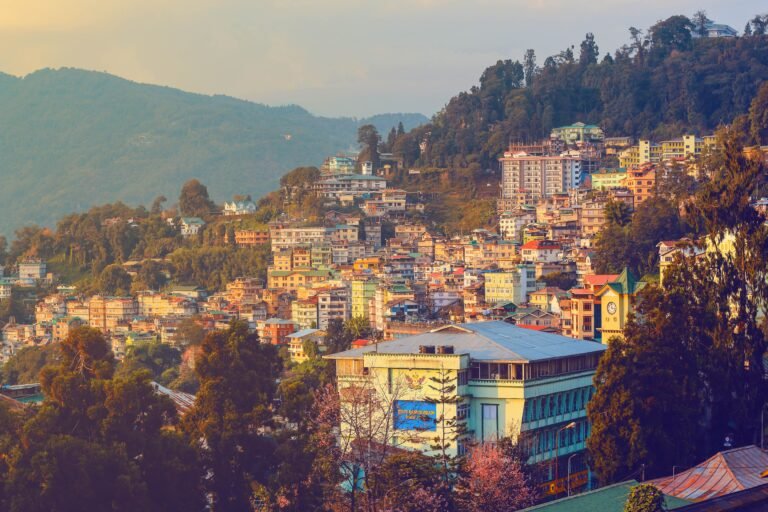
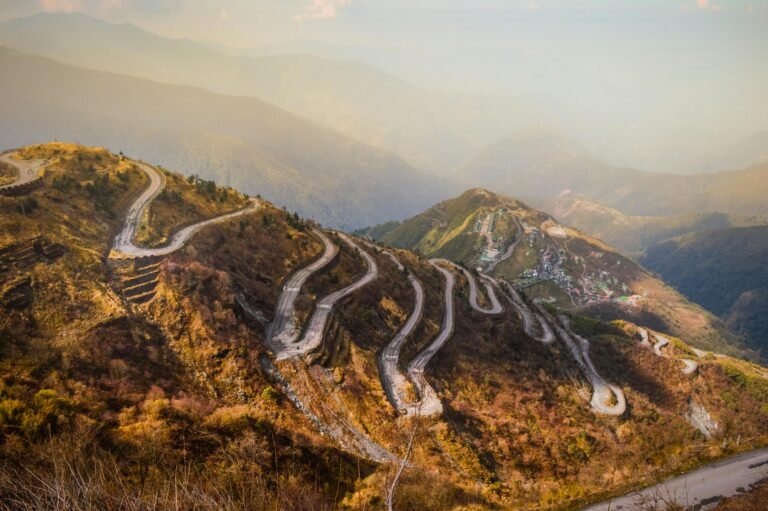
Perched at 2,042 m in the Eastern Himalayas, Darjeeling blends British-era charm, emerald tea gardens, Tibetan monasteries, and heart-stealing views of Kanchenjunga. Whether you’re here for sunrise at Tiger Hill, to sip the world’s finest tea, or to ride the heritage toy train, timing your trip makes all the difference. This guide details the best time to visit Darjeeling for a perfect holiday—plus what to see, how to get there, where to stay, and smart tips for every traveler.
Best Time to Visit Darjeeling
Quick Answer
- Overall best: October–November and February–April for crystal-clear mountain views and pleasant, dry weather.
- For blossoms and tea: March–April (rhododendrons bloom; first-flush tea season).
- For cool, crowd-free breaks: December–February (cold but crisp; great visibility).
- For budget travelers: July–September (lush monsoon greens, lowest prices, but expect heavy rain and possible landslides).
Season-wise Weather & Experience
Spring (March–April)
- Weather: 6–18°C; cool mornings, mild afternoons.
- Why go: Rhododendrons bloom, tea gardens come alive (first flush), clear mornings for Kanchenjunga.
- Notes: Popular period—book hotels and toy train tickets early.
Summer (May–June)
- Weather: 12–22°C; pleasant, sometimes cloudy with pre-monsoon showers.
- Why go: Family-friendly temperatures, school-holiday vibe.
- Notes: Crowds and higher prices; clouds can obscure mountain views by late afternoon.
Monsoon (July–September)
- Weather: 13–19°C; frequent rain, mist, very green.
- Why go: Quiet trails, dramatic clouds, best deals on stays.
- Notes: Landslide risk and travel disruptions; leeches on forest trails; ropeway/train may be suspended in bad weather.
Autumn (October–November)
- Weather: 8–18°C; dry, excellent visibility.
- Why go: The finest Kanchenjunga views; festivals (Durga Puja, Tihar/Diwali, Darjeeling Carnival).
- Notes: High demand—reserve rooms and sunrise tours in advance.
Winter (December–February)
- Weather: 2–10°C; cold, crisp, least humidity.
- Why go: Quiet town, bargain midweek rates, superb sunrise clarity in Jan–Feb.
- Notes: Rare snowfall in town; pack winter layers. Some early mornings are freezing.
Month-by-Month Snapshot
- Jan–Feb: Cold, clear skies; minimal crowds; great for photographers.
- Mar: Bloom season begins; first-flush tea; comfortable temps.
- Apr: Peak spring; busy yet beautiful; stable weather.
- May–early Jun: Pleasant; family crowds; hazy afternoons possible.
- Late Jun–Aug: Wettest; lush but travel delays possible.
- Sep: Rain tapers; green landscapes; improving views.
- Oct–Nov: Prime season; sharp mountain vistas; festivities.
- Dec: Cold, dry; good deals except festive peaks.
Best Time by Traveler Type
- Honeymooners: Oct–Nov, Feb–Apr for cozy weather and clear views.
- Families: Mar–Jun for mild days and easier sightseeing.
- Trek/photography: Oct–Nov and Mar–Apr for visibility and stable trails.
- Budget/slow travel: Jul–Sep (expect rain) or weekday stays in Dec–Feb.
Festivals & Events
- Losar (Feb): Tibetan New Year at local monasteries.
- Durga Puja & Diwali/Tihar (Oct–Nov): Cultural celebrations across the hills.
- Darjeeling Carnival (usually Nov): Music, art, local food on The Mall/Chowrasta.
- Tea seasons: First flush (late Feb–Apr), Second flush (May–Jun), Monsoon (Jul–Sep), Autumn (Oct–Nov) influence tea experiences.
Sunrise, Tea & Views: What’s Best When
- Tiger Hill sunrise: Best clarity Oct–Dec and Feb–Apr; start pre-dawn (typically 4:00–5:00 am depending on season).
- Tea garden tours: Active plucking Mar–Nov; tastings year-round.
- Darjeeling Himalayan Railway (Toy Train): Joyrides run most of the year; monsoon/winter services may be curtailed in bad weather—book in advance.
Must-Visit Places in Darjeeling
- Tiger Hill: Iconic sunrise over Kanchenjunga.
- Batasia Loop & War Memorial: Toy train spirals with panoramic views.
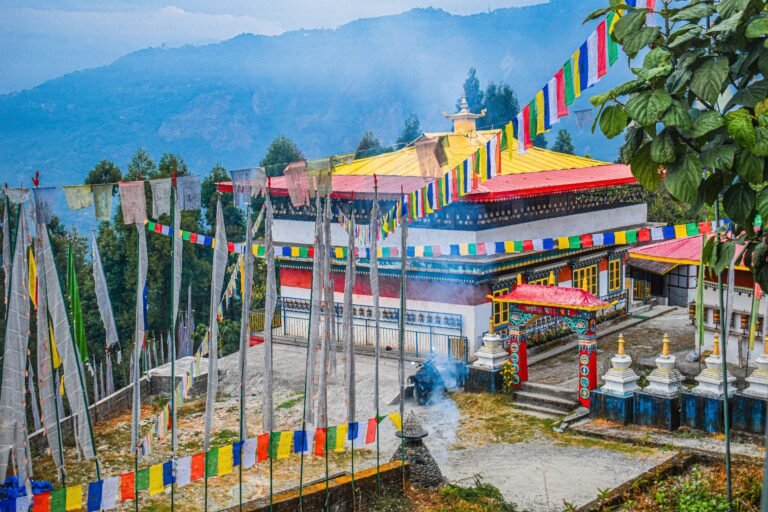
- Ghum Monastery (Yiga Choeling): Historic monastery with serene ambiance.
- Himalayan Mountaineering Institute (HMI) & Padmaja Naidu Himalayan Zoological Park: Mountaineering heritage and red panda sightings. (Closed on Thursdays.)
- Happy Valley Tea Estate: Estate walks and factory tours (season-dependent).
- Darjeeling Ropeway: Aerial views over tea gardens (weather-dependent).
- Chowrasta (The Mall) & Observatory Hill/Mahakal Temple: Heart of town and a sacred ridge.
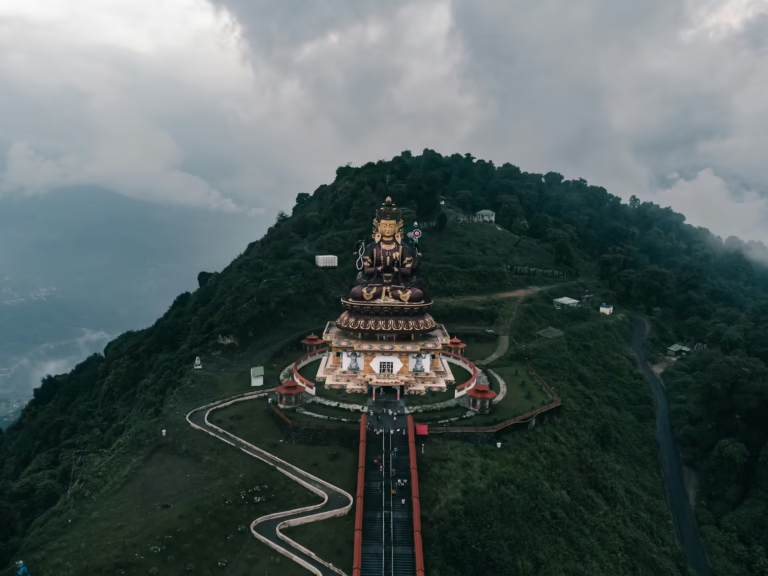
- Japanese Peace Pagoda & Nipponzan Myohoji Temple: Calm hilltop for meditation and views.
- Rock Garden & Barbotey Rock Garden: Terraced gardens and waterfalls.
- St. Andrew’s Church: 19th-century hill church with colonial heritage.
Local Culture, Food & Shopping
Food & Drinks
- Try: Steamed momos, thukpa, phaley, aloo dum with wai-wai, sel roti, churpi (local cheese).
- Tea: Sample first- and second-flush Darjeeling at tea lounges and estates.
- Sweet and warm: Tibetan butter tea, local bakeries for cakes and pastries.
Shopping
- Tea: Estate-labeled packets from reputed outlets.
- Handicrafts: Woolens, shawls, carpets, prayer flags, handmade paper.
- Where: Chowk Bazaar, Mall Road boutiques, Tibetan Refugee Self-Help Centre for authentic crafts.
Culture & Etiquette
- Influences: Nepali, Tibetan, Lepcha, and Bengali cultures.
- Etiquette: Dress modestly at monasteries, remove hats, keep voices low, always ask before photographing people.
- Responsible travel: Avoid single-use plastic; keep trails clean; respect wildlife.
Nearby Getaways
- Kalimpong (2–3 hrs): Cactus nurseries, viewpoints, monasteries.
- Kurseong (2 hrs): Quiet tea town with vintage charm.
- Mirik (1.5–2 hrs): Lake, orange orchards, tea gardens.
- Lepchajagat (45 mins): Thick forests and tranquil homestays.
- Lamahatta & Tinchuley (1–1.5 hrs): Eco-parks, village walks, valley views.
- Takdah & Teesta Valley (1–2 hrs): Colonial bungalows, riverside scenery.
- Sandakphu–Phalut (via Manebhanjan): Trek/jeep route along Singalila Ridge with 8,000ers views; best in Oct–Nov and Mar–Apr. Entry permits and guides apply within Singalila National Park.
- Sittong (1.5–2 hrs): “Orange village,” vibrant in winter harvest.
How to Reach Darjeeling
By Air
- Nearest airport: Bagdogra (IXB), about 70 km; 3–4 hours by road.
- Alternative: Pakyong (PYG, near Gangtok) sometimes serves the region but is weather-prone and farther.
- Transfers: Prepaid taxis at IXB; private cabs or shared jeeps via Siliguri/NJP.
By Rail
- Major railhead: New Jalpaiguri (NJP), well-connected to Kolkata, Delhi, Guwahati, and more.
- From NJP: 3–4 hours by road to Darjeeling.
- Darjeeling Himalayan Railway (DHR): Heritage narrow-gauge services and joyrides (Darjeeling–Ghum–Darjeeling) operate most days; check schedules and book early.
By Road
- Routes: NH110 via Kurseong (standard) or scenic Mirik route.
- Shared jeeps: From Siliguri/NJP stands; typically economical and frequent.
- Private taxi: Convenient for families or with luggage; costs vary by season and vehicle type.
- Note: Monsoon can cause delays due to landslides—keep buffer time.
Local Transport
- On foot: Many central sights are walkable from The Mall/Chowrasta.
- Local taxis: For Tiger Hill, Ropeway, HMI/Zoo, and tea estates; negotiate or use fixed-rate stands.
- Toy train: Joyride for Batasia Loop and Ghum experiences.
Accommodation Options & Estimated Costs
Where to Stay
- Near The Mall/Chowrasta: Heritage hotels, cafes, easy walks.
- Gandhi Road/Lebong Cart Road: Good mid-range choices and access to taxis.
- Quiet peripheries (Jalapahar/Takdah belt): Retreat vibes, nature stays.
- Tea estates (around the region): Immersive stays with premium pricing and distances to town.
Estimated Trip Costs (Per Person, Per Day)
- Budget: ₹2,000–₹3,500 (US$25–$45) for homestay/hostel, local food, shared jeeps.
- Mid-range: ₹3,500–₹8,000 (US$45–$100) for comfortable hotels, occasional taxis, cafe meals.
- Luxury: ₹8,000–₹20,000+ (US$100–$250+) for heritage/estate stays, private cabs, curated experiences.
Typical Costs (Approximate)
- Airport/NJP to Darjeeling: Shared jeep ₹300–₹600; private cab ₹3,000–₹5,000 depending on season/route.
- Toy train joyride (Darjeeling–Ghum–Darjeeling): Diesel ~₹1,000; Steam ~₹1,600+ per adult (subject to change).
- Attraction entries: Nominal fees at HMI/Zoo, Ropeway, tea estates (varies).
- Meals: Local eateries ₹200–₹400 per meal; cafes/restaurants ₹500–₹1,200 per person.
Travel Tips for Darjeeling
Packing List by Season
- Year-round: Layered clothing, comfortable walking shoes, sunscreen, sunglasses, reusable water bottle, small daypack.
- Spring/Autumn: Light fleece, windproof jacket; early mornings are chilly.
- Summer: Light layers, rain shell/umbrella for pre-monsoon showers.
- Monsoon: Waterproof jacket, quick-dry clothes, leech socks for forest trails, protective covers for electronics.
- Winter: Heavy jacket, thermals, gloves, wool cap, warm socks; room heating may be basic in budget stays.
Safety & Practicalities
- Altitude: Moderate; stay hydrated, pace walks uphill.
- Roads: Winding mountain roads—carry motion sickness medication if needed.
- Weather checks: Reconfirm ropeway/toy train operations on rainy/windy days.
- Cash & connectivity: ATMs in town; cards accepted at many hotels/cafes; mobile data can be patchy—download maps offline.
- Weekly offs: HMI & Zoo closed Thursdays; some craft centers closed on Sundays/public holidays—verify hours.
- Permits: Not required for Darjeeling town; Singalila NP (Sandakphu/Phalut) needs entry permit and registered guide/vehicle.
Tips for Families
- Choose central hotels to minimize stair climbs and taxi use.
- Carry warm layers for kids; early starts for Tiger Hill can be very cold.
- Plan downtime at Chowrasta and easy attractions like Batasia Loop.
Tips for Honeymooners
- Pick view rooms near The Mall or serene stays just outside town.
- Time your trip for Oct–Nov or Feb–Apr for clear vistas.
- Book sunrise transfers, tea estate lunches, and steam toy train seats ahead.
Tips for Friends/Backpackers
- Use shared jeeps between towns and walk within the center.
- Try homestays/hostels for local tips and budget eats.
- Trek to viewpoints, explore monasteries, and time your visit to shoulder seasons for savings.
FAQs
Q: What is the absolute best month to visit Darjeeling for clear mountain views?
A: October and November typically offer the sharpest visibility, followed by February to April when skies are dry and crisp.
Q: Is Darjeeling safe to visit during the monsoon?
A: Yes, but expect heavy rain and occasional landslides that can disrupt road travel. Keep flexible plans, buffer time, and monitor local advisories.
Q: Does it snow in Darjeeling town?
A: Snowfall in Darjeeling town is rare. For higher chances, head towards Sandakphu/Phalut in winter, weather permitting.
Q: How many days are enough for Darjeeling?
A: Two to three full days cover the highlights (Tiger Hill, Batasia, HMI/Zoo, tea estate, Ropeway). Add a day or two for nearby getaways like Kalimpong or Mirik.
Q: When is the tea plucking season for estate visits?
A: Generally March to November, with first flush in late Feb–Apr and second flush in May–Jun. Factory tours may vary by estate and season—check ahead.
Conclusion
For a perfect Darjeeling holiday, plan around clear-sky seasons—October to November and February to April—when sunrises blaze over Kanchenjunga and tea gardens shimmer in gold light. Spring brings blossoms and first-flush tastings; winter rewards patient travelers with quiet streets and crisp views; monsoon paints the hills emerald for those seeking solitude and savings. With thoughtful timing, a smart packing list, and a mix of classic sights and local experiences, Darjeeling’s charm unfolds effortlessly.