Table of Contents
- Introduction: Top Places to Visit in Sikkim
- Top Cities and Places to Visit in Sikkim
- Tourist Circuits and Scenic Routes
- Best Time to Visit Sikkim
- Top Activities and Experiences
- Festivals and Events in Sikkim
- Suggested Itineraries
- How to Reach Sikkim
- Accommodation Options
- Estimated Trip Costs and Budget Tips
- Local Food, Shopping, and Culture
- Travel Tips for Different Travelers
- Permits and Responsible Travel
- FAQs about Sikkim
- Conclusion
Introduction: Top Places to Visit in Sikkim
Sikkim is a pocket-sized Himalayan wonder where snow-draped peaks, glacial lakes, and emerald valleys meet centuries-old monasteries and warm, welcoming villages. From the buzz of Gangtok to the alpine drama of Gurudongmar Lake and the serene tea gardens of Temi, this state rewards every kind of traveler. Use this guide to plan your next holiday with the best places to visit in Sikkim, smart routes, seasons, and on-the-ground tips.
Top Cities and Places to Visit in Sikkim
East Sikkim
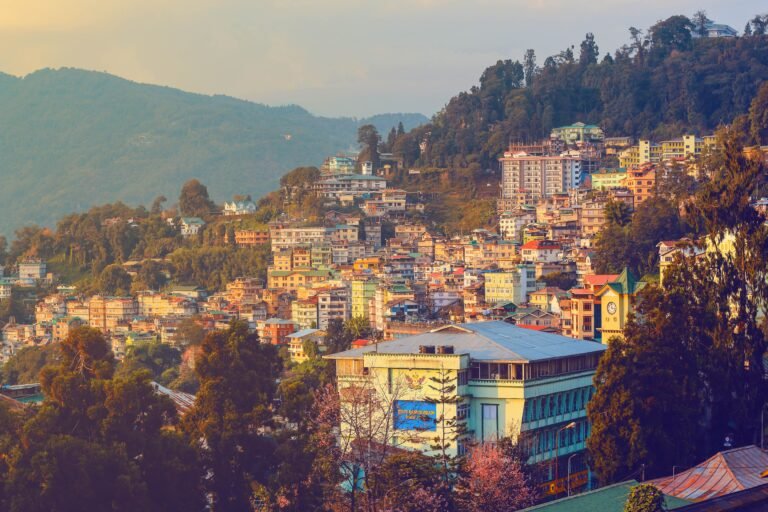
- Gangtok: MG Marg promenade, Cable car, Namgyal Institute of Tibetology, Enchey Monastery, Flower Exhibition Centre. Great base for day trips.
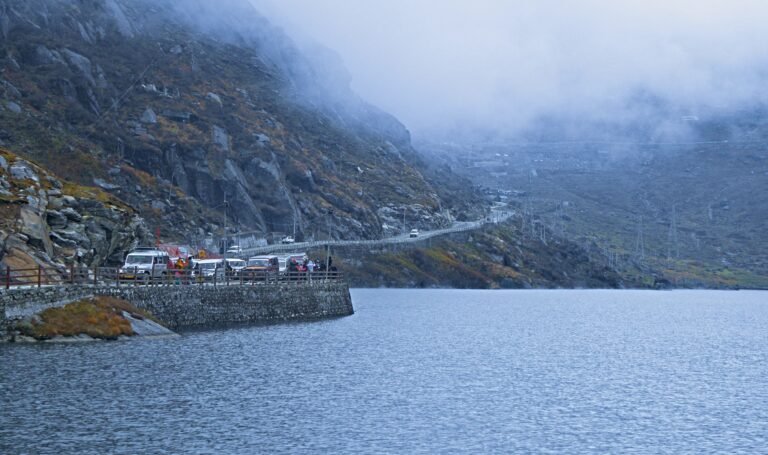
- Tsomgo (Changu) Lake: A high-altitude glacial lake that mirrors snowy ridges; yak rides in winter; permits required.
- Nathula Pass: Historic Indo–China border at ~4,310 m. Indian nationals only; closed certain weekdays and during heavy snow.
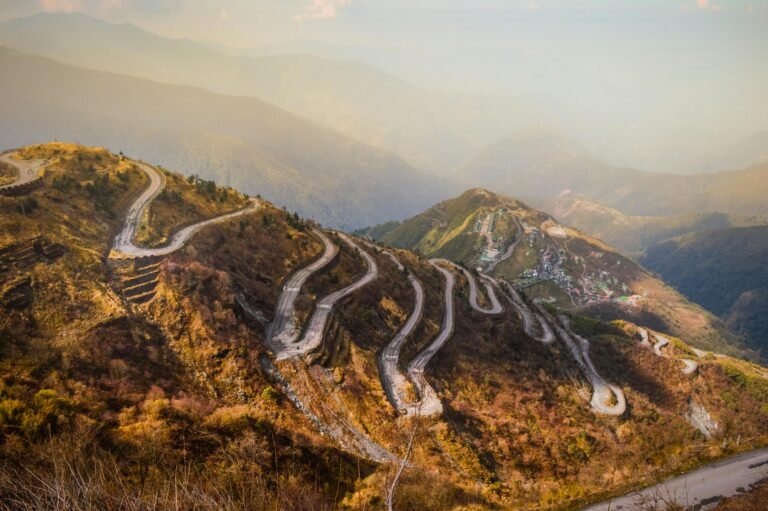
- Zuluk & Old Silk Route: Hairpin “switchbacks,” misty forests, and sunrise points like Thambi Viewpoint.
North Sikkim
- Lachen: Gateway to Gurudongmar Lake—one of the world’s highest lakes; stunning but very high altitude.
- Lachung: Access to Yumthang Valley (Valley of Flowers), hot springs, and Zero Point (Yumesamdong) in season.
- Dzongu: A protected Lepcha homeland offering slow travel, forest walks, river dips, and authentic homestays.
West Sikkim
- Yuksom: Historic first capital; trailhead for Goecha La and gateway to Kanchenjunga National Park (UNESCO).
- Pelling: Panoramic Kanchenjunga views, Sky Walk & Chenrezig statue, Rabdentse ruins, and Khecheopalri Lake.
- Uttarey & Dentam: Offbeat villages, rhododendron treks, and cheese-making traditions.
South Sikkim
- Namchi: Samdruptse hill statue, Char Dham complex, scenic cafes.
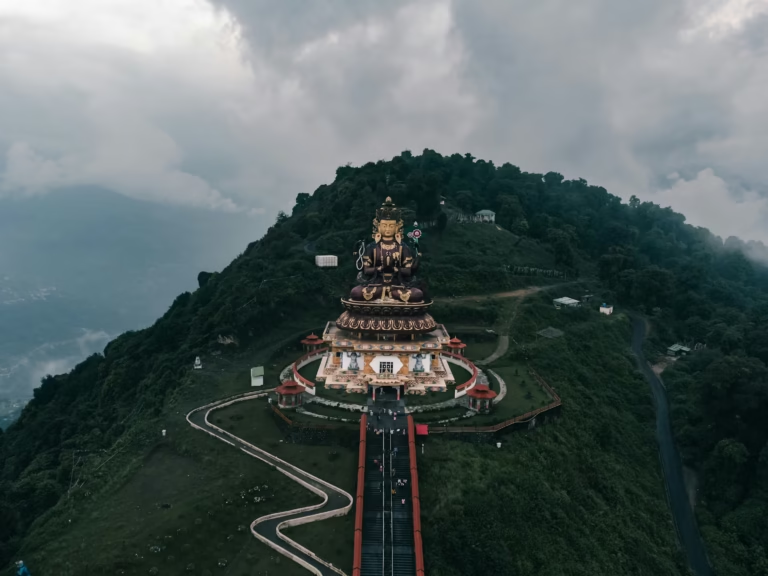
- Ravangla: Buddha Park (Tathagata Tsal), Ralang Monastery, birding and misty mornings.
- Temi Tea Garden: Sikkim’s only tea estate; guided walks, tastings, photogenic slopes.
Monasteries You Shouldn’t Miss
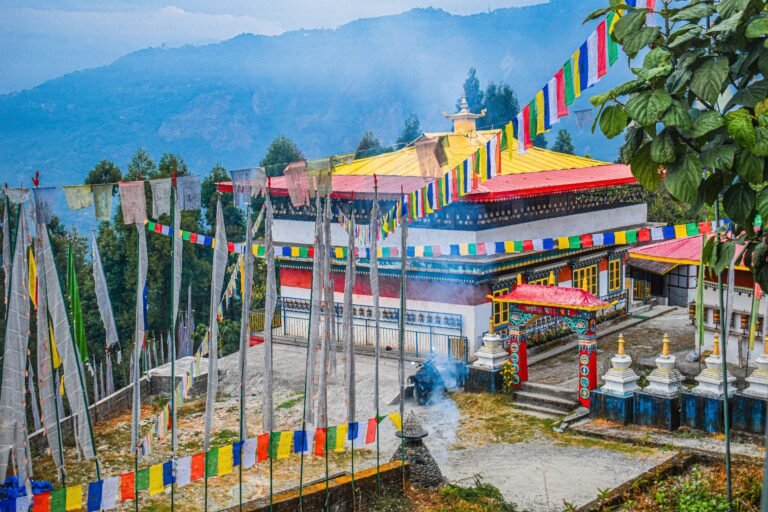
- Rumtek (near Gangtok): Seat of the Karma Kagyu lineage; rich murals and serene courtyards.
- Pemayangtse (Pelling): 17th-century heritage and proximity to Rabdentse ruins.
- Tashiding & Ralang: Spiritual centers famed for rituals and mountain views.
Treks and Wild Landscapes
- Goecha La Trek: Iconic 7–10 day trail with jaw-dropping Kanchenjunga vistas.
- Kanchenjunga National Park: High biodiversity with red pandas, Himalayan birds, glaciers, and pristine forests.
Tourist Circuits and Scenic Routes
- Classic East Circuit: Gangtok → Tsomgo Lake → Baba Mandir → (Nathula, if open) or Silk Route via Zuluk.
- North Sikkim 2N/3D: Gangtok → Lachen (Gurudongmar) → Lachung (Yumthang & Zero Point) → Gangtok.
- West Heritage Trail: Yuksom (history) → Pelling (views, monasteries) → Khecheopalri Lake → Uttarey.
- Southern Leisure Loop: Namchi → Ravangla → Temi Tea Garden (ideal for relaxed drives and cafe-hopping).
- Offbeat Dzongu Stay: Gangtok → Dzongu for culture-rich homestays, forest walks, and river picnics.
Best Time to Visit Sikkim
- Spring (Mar–May): Rhododendrons bloom, pleasant days, popular for North Sikkim and Goecha La starts.
- Autumn (Oct–Nov): Clearest mountain views; excellent for Pelling/Yuksom and photography.
- Winter (Dec–Feb): Snow at higher altitudes (Tsomgo/Zero Point). Cold but magical; road closures possible.
- Monsoon (Jun–Sep): Lush valleys and tea gardens, but landslides and disrupted travel are common. Check conditions.
Top Activities and Experiences
- Trekking: Goecha La, Dzongri, Varsey (Vashiv) Rhododendron Sanctuary, Uttarey–Chewabhanjyang.
- High-Altitude Lakes: Tsomgo, Gurudongmar (Indian nationals), Khecheopalri (sacred, no boating).
- Adventure: Paragliding (Gangtok), mountain biking (Silk Route), white-water rafting (Teesta & Rangeet).
- Wildlife & Birding: Red panda habitat, pheasants, and Himalayan songbirds across Khangchendzonga NP and Barsey.
- Hot Springs: Yumthang, Reshi, Ralang—great in winter.
- Monastery Hopping: Rituals, cham dances (festival times), and butter-lamp-lit evenings.
Festivals and Events in Sikkim
- Pang Lhabsol: Unique to Sikkim, venerates Mount Kanchenjunga with masked dances.
- Losoong (Namsoong): Sikkimese New Year after harvest; archery competitions and community feasts.
- Losar: Tibetan New Year, vibrant monastery ceremonies.
- Bumchu (Tashiding): Sacred water prediction ceremony drawing pilgrims each year.
- Rhododendron & Orchid Blooms: Seasonal fests celebrating Sikkim’s floral wealth (spring).
Suggested Itineraries
5 Days: East Sikkim Highlights
- Day 1–2: Gangtok sightseeing (MG Marg, ropeway, monasteries)
- Day 3: Tsomgo Lake + Baba Mandir (Nathula if permits/roads allow)
- Day 4–5: Zuluk Silk Route sunrise or Namchi–Ravangla loop
7 Days: North Sikkim + Gangtok
- Day 1–2: Gangtok
- Day 3: Gangtok → Lachen
- Day 4: Gurudongmar Lake → Lachung
- Day 5: Yumthang Valley (Zero Point if open) → Gangtok
- Day 6–7: Leisure day or Rumtek/Temi Tea
8–10 Days: West & South Sikkim
- Gangtok → Yuksom (history) → Pelling (views, Sky Walk) → Khecheopalri → Namchi → Ravangla → Temi
12–14 Days: Grand Sikkim
- East + North + West + South with a short Dzongri trek or extended Silk Route stay.
How to Reach Sikkim
- By Air: Pakyong Airport (PYG) near Gangtok has limited, weather-dependent services. Most travelers fly to Bagdogra (IXB), West Bengal, then drive ~4–5 hours to Gangtok.
- By Rail: New Jalpaiguri (NJP) is the nearest major railhead. Taxis/shared jeeps to Gangtok are available outside the station.
- By Road: NH10 via Siliguri–Rangpo–Gangtok. Shared sumos and private SUVs are common; monsoon can affect travel times.
- Local Transport: Shared jeeps (budget), reserved SUVs (comfortable for families), limited city cabs in Gangtok.
Accommodation Options
- Gangtok: Hostels and mid-range hotels around MG Marg; boutique stays with valley views in lower Deorali/Reshithang.
- Pelling/Yuksom: Mountain-view resorts, heritage lodges, homestays near farms and forests.
- Namchi/Ravangla: Quiet boutique hotels, wellness-oriented stays, tea-estate bungalows (Temi).
- North Sikkim (Lachen/Lachung): Mostly simple lodges and homestays; many packages include meals due to remoteness.
Indicative nightly rates (INR, per room):
- Budget: 800–1,500
- Mid-range: 2,000–5,000
- Boutique/4-star: 6,000–12,000
- Luxury: 12,000+ (limited, mostly around Gangtok and select resorts)
Estimated Trip Costs and Budget Tips
Per-Person Daily Averages (INR)
- Backpacker: 1,800–2,800 (shared jeep, homestay/hostel, simple meals)
- Comfort: 3,500–6,500 (private SUV splits, mid-range hotel, permits, guided day trips)
- Premium: 8,000–15,000 (boutique stays, private transport, curated experiences)
Typical Add-ons
- North Sikkim 2N/3D package (with meals, stay, vehicle, permits): ~7,000–12,000 per person (sharing basis and season-dependent).
- Gangtok → Tsomgo/Nathula day trip (private): ~4,500–7,500 per vehicle + permits.
- Silk Route 2D/1N homestay circuit: ~3,500–6,000 per person (meals included).
Money-Saving Tips
- Travel shoulder seasons (late Feb/early Mar, late Nov) for clearer skies and better rates.
- Use shared jeeps between towns; reserve SUVs only for remote legs or families.
- Book North Sikkim and Nathula permits through licensed operators or your hotel for bundled discounts.
Local Food, Shopping, and Culture
What to Eat
- Momos & Thukpa: The hearty staples—try pork and cheese variants.
- Phagshapa: Pork with radish and chilies; rich and warming.
- Kinema & Gundruk: Fermented soybeans and leafy greens—earthy, umami-packed.
- Churpi & Ningro: Local cheese with wild fiddlehead ferns.
- Temi Tea & Chhaang/Tongba: Estate-fresh teas and traditional millet brews (where available).
Where to Shop
- MG Marg (Gangtok): Handwoven carpets, thangkas, prayer flags, incense, organic spices (cardamom), and teas.
- Pelling & Yuksom: Local handicrafts, woolens, honey, and handmade cheese.
- Temi Estate: Packets of single-origin Sikkim tea.
Culture & Etiquette
- Respect monastery rules: modest clothing, no hats inside prayer halls, photography only where permitted.
- Ask before photographing people; greet with a smile and a gentle “Namaste” or “Tashi Delek.”
- Carry back all plastic from remote regions; support homestays and local guides.
Travel Tips for Different Travelers
Families
- Choose Gangtok, Pelling, Namchi, and Ravangla for easier drives and amenities.
- Limit very high-altitude day trips (e.g., Gurudongmar) for young kids or seniors; consult a doctor if unsure.
- Book SUVs with child seats (on request) and plan buffer days for weather.
Honeymooners
- Pick boutique stays with mountain views in Pelling or Ravangla; enjoy sunrise over Kanchenjunga.
- Plan a Temi Tea walk, monastery visits at off-peak hours, and stargazing nights in Yuksom.
Friends & Adventure Seekers
- Combine paragliding/rafting with a North Sikkim sprint or Silk Route ride.
- Pack layers, rain gear (monsoon), and good boots for impromptu hikes.
Packing & Safety
- Layers, thermals (winter), sunblock, sunglasses, and a basic first-aid/AMS kit for high-altitude areas.
- Cash for remote towns (ATMs sparse), power bank, and offline maps.
- Check road and permit updates a day in advance; weather changes quickly.
Permits and Responsible Travel
- Protected Areas: Tsomgo, Nathula, North Sikkim (Lachen/Lachung/Yumthang), Zuluk/Silk Route require permits arranged via registered operators or hotels.
- Eligibility: Nathula Pass is typically open to Indian nationals only. Foreign nationals have additional restrictions and may not be permitted to visit certain border zones (e.g., Gurudongmar).
- What You Need: Government ID, passport-size photos, and time (apply at least a day prior).
- Travel Lightly: Avoid single-use plastics, respect wildlife, stay on marked trails, and choose community-run homestays where possible.
FAQs about Sikkim
Q: What is the best time to visit Sikkim for clear mountain views?
A: October–November and late March–April usually offer the clearest skies and crisp Kanchenjunga views.
Q: Do I need permits for North Sikkim and Nathula Pass?
A: Yes. These are protected areas. Apply through a licensed tour operator or your hotel at least a day in advance. Nathula is generally open only to Indian nationals.
Q: How many days are enough for Sikkim?
A: Five days cover East Sikkim highlights. A week allows North Sikkim. Ten days let you add West and South Sikkim comfortably.
Q: Can foreigners visit Gurudongmar Lake and Nathula?
A: Foreign nationals typically face restrictions for these high-security border areas and may not be allowed. They can, however, visit many other regions (e.g., Yumthang) with appropriate permits.
Q: Is Sikkim safe for solo and family travelers?
A: Yes. Sikkim is considered safe and hospitable. Exercise usual precautions, check weather, and plan remote trips with reputable operators.
Conclusion
Sikkim blends soaring Himalayan drama with intimate cultural encounters—Gangtok’s urban charm, Pelling’s sunrise vistas, North Sikkim’s alpine valleys, and South Sikkim’s tea-scented calm. Travel in the right season, plan permits ahead, and pace your days to account for altitude and weather. With smart routing and locally rooted stays, your Sikkim holiday becomes a memorable balance of adventure and quiet mountain moments.